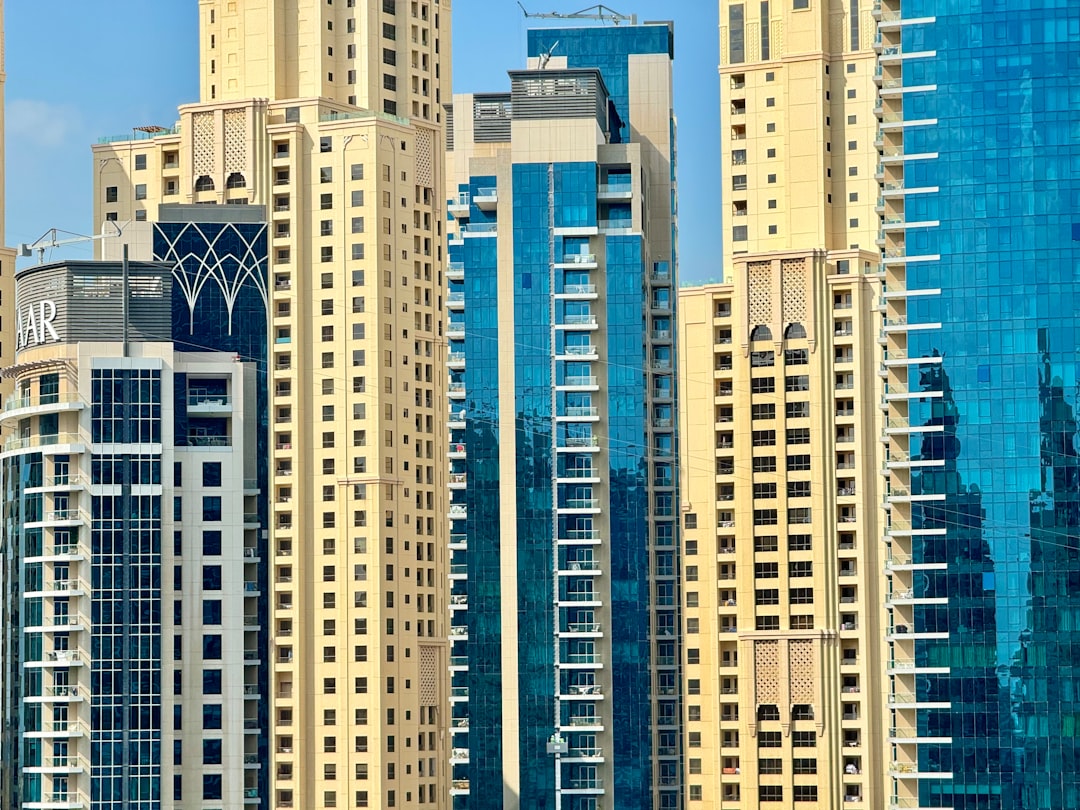
For expatriates living in Dubai’s high-rise apartments and family-friendly communities, balcony safety nets have become a practical and often essential home upgrade. Whether the concern is child safety, pet protection, or compliance with building management guidelines, understanding how balcony safety net installation works—and what it costs in Dubai—is critical before making a decision.
TLDR: Balcony safety net installation in Dubai typically costs between AED 25 and AED 60 per square foot, depending on materials, height, and building access. Expats should budget for professional installation, as DIY setups are rarely permitted. Prices are influenced by safety standards, net quality, and maintenance requirements specific to Dubai’s climate. Choosing a licensed installer ensures compliance, durability, and long-term peace of mind.
Why Balcony Safety Nets Are Common in Dubai
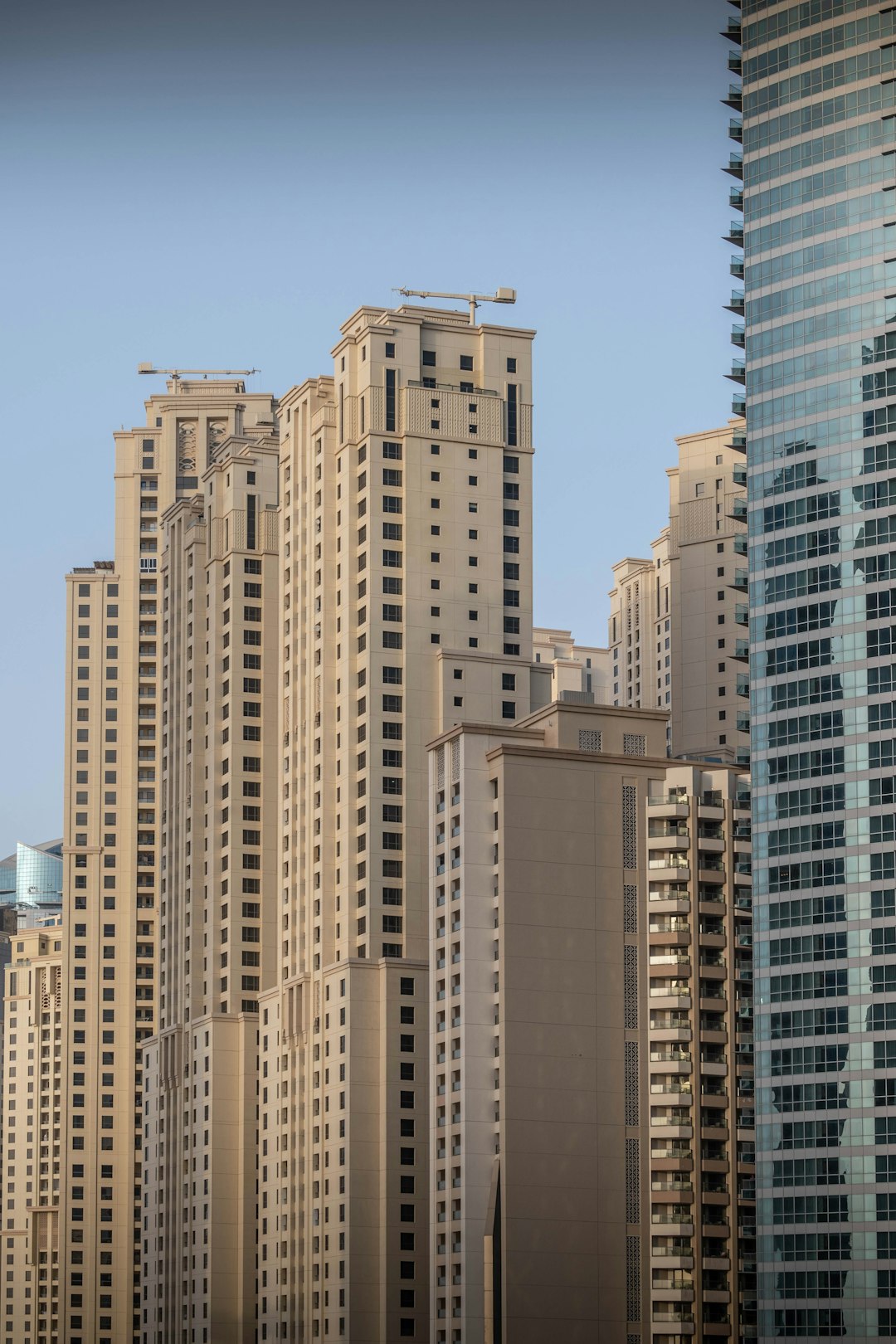
Dubai’s residential landscape is dominated by towers, serviced apartments, and gated communities. For families with young children or pets, balconies pose a potential safety risk. While balcony railings meet regulatory height standards, they are not always sufficient to prevent accidents involving climbing, slipping, or small pets passing through gaps.
Additionally, many residential compounds and landlords actively recommend or require safety nets, particularly in buildings housing families. In some cases, insurance providers also view professionally installed safety nets as a risk-reduction measure.
Dubai’s transient expat population also favors solutions that are effective yet reversible, making safety nets preferable to permanent structural modifications.
What Balcony Safety Nets Are Made Of
Understanding materials is important because it directly affects cost, durability, and appearance. Most balcony safety nets installed in Dubai fall into three main categories:
- Nylon nets: Lightweight and more affordable, suitable for short-term use or lower floors.
- Polyethylene (HDPE) nets: UV-resistant, weatherproof, and the most commonly used option in Dubai.
- Stainless steel cable nets: Premium-looking and extremely durable, but significantly more expensive.
HDPE nets dominate the market due to their balance of strength, transparency, and resistance to intense sunlight and sand exposure.
Average Balcony Safety Net Installation Costs in Dubai
Balcony safety net pricing in Dubai is usually calculated per square foot. While rates can fluctuate based on demand and building complexity, expats can expect the following general cost ranges:
- Standard HDPE safety nets: AED 25–40 per sq. ft.
- Thicker or reinforced nets: AED 40–50 per sq. ft.
- Stainless steel cable systems: AED 60+ per sq. ft.
For a typical apartment balcony measuring 50–70 square feet, total installation costs often range between AED 1,500 and AED 3,000.
It is important to note that extremely low quotes may indicate substandard materials or unlicensed installers, which can lead to building management issues later.
Key Factors That Influence Pricing
Several factors determine how much you will ultimately pay for balcony safety nets in Dubai:
- Balcony size and shape: Larger or irregular balconies require more material and labor.
- Floor height: High-floor installations may involve additional safety equipment and manpower.
- Building access: Restricted access or strict management rules can increase labor time.
- Net thickness and knot density: Denser nets offer higher safety but cost more.
- Color and aesthetics: Transparent or custom-colored nets may carry a premium.
Expats should always request an on-site assessment before accepting a final quote, as online estimates are often approximate.
Professional Installation vs DIY: What Expats Should Know
In many countries, DIY balcony safety net installations are common. In Dubai, however, this is rarely advisable. Most buildings require that any external modification be carried out by approved vendors or licensed contractors.
Professional installation generally includes:
- Secure anchoring using corrosion-resistant fixtures
- Compliance with building management and civil defense norms
- Uniform tensioning to prevent sagging or weak points
- Minimal aesthetic impact on the building façade
Attempting a DIY installation can result in fines, forced removal, or liability issues if an accident occurs.
Approval and Regulations in Dubai Buildings
Before installation, expats should check with their building management or homeowners association. Some towers require written approval, specific net colors, or documentation from the installer.
Common requirements include:
- Use of transparent or neutral-colored nets
- No drilling into external façade glass
- Proof of installer trade license
- Commitment to remove the net upon vacating
Failure to comply can lead to notices or penalties, even if the installation itself is technically sound.
Maintenance and Longevity Costs
While balcony safety nets are low-maintenance, Dubai’s climate can affect longevity. Constant sun exposure, airborne sand, and humidity may weaken nets over time.
Typical lifespan expectations:
- Standard HDPE nets: 3–5 years
- Premium UV-treated nets: 5–7 years
- Stainless steel systems: 10+ years with minimal maintenance
Some installers offer annual inspections or limited warranties, which may slightly increase upfront costs but reduce long-term replacement expenses.
Choosing the Right Installer in Dubai
Given the safety implications, selecting the right installer is as important as choosing the right net. Expats should look for providers with:
- Valid Dubai trade license
- Experience with high-rise buildings
- Clear written quotations
- Positive reviews from other residents
A trustworthy installer will never rush the assessment process or pressure you into immediate decisions.
Image not found in postmetaIs the Cost Worth It?
From a purely financial perspective, balcony safety nets may seem like an added expense. However, when weighed against the potential risks—especially for families with children or pets—the value becomes clear.
In Dubai’s rental-driven housing market, balcony safety nets are also a non-permanent improvement that can enhance everyday living without affecting resale or rental agreements. For many expats, the peace of mind alone justifies the cost.
Final Thoughts for Expats
Balcony safety net installation in Dubai is not a one-size-fits-all service. Costs vary based on materials, building rules, and safety requirements, but the underlying principle remains consistent: professional installation is essential.
By understanding pricing structures, regulatory expectations, and material options, expats can make informed decisions that protect their families while staying compliant with local standards. In a city defined by vertical living, balcony safety nets are less of a luxury and more of a responsible investment.