For Brazilians considering a move to Spain, the choice often comes down to two vibrant giants: Madrid and Barcelona. Both cities offer opportunity, culture, beaches or boulevards, and thriving international communities—yet their personalities are distinctly different. From job prospects and language nuances to nightlife and neighborhood vibes, deciding between Spain’s capital and its Mediterranean star can feel like choosing between samba and flamenco.
TLDR: Madrid offers a strong job market, a more “Spanish” cultural immersion, and a central location ideal for exploring the country. Barcelona attracts Brazilians with its beach lifestyle, creative industries, and slightly more relaxed atmosphere. Both cities have established Brazilian communities, but language and economic differences can influence your experience. Choosing the best city depends on your career goals, lifestyle preferences, and how much you value sun and sea over political and economic centrality.
1. Job Opportunities and Economic Outlook
One of the first factors Brazilians weigh is employment. Spain’s economy is still recovering and evolving, but both Madrid and Barcelona remain its most dynamic hubs.
Madrid: Spain’s Economic Powerhouse
As the capital of Spain, Madrid hosts the headquarters of major banks, multinational corporations, consulting firms, and government institutions. If you work in:
- Finance
- Law
- Public administration
- Corporate business
- International trade
Madrid likely offers more opportunities. Many Brazilian professionals find roles in multinational companies that value Portuguese fluency, especially in firms doing business with Latin America.
Additionally, Madrid’s economy tends to be perceived as slightly more stable due to its central political importance.
Barcelona: Creative and Tech Magnet
Barcelona, meanwhile, has carved out a name for itself in:
- Technology startups
- Digital marketing
- Design and architecture
- Tourism and hospitality
- Creative industries
For Brazilian freelancers, digital nomads, and entrepreneurs, Barcelona often feels more flexible and innovative. The city has become a European tech hub, attracting global startups.
However, salaries in both cities may feel lower than in Brazil’s major hubs like São Paulo, especially relative to living costs.
Image not found in postmeta2. Cost of Living: What Brazilians Should Expect
Spain is generally more affordable than many Western European countries, but Madrid and Barcelona are the two most expensive Spanish cities.
Housing Costs
Rental prices are similar in both cities, though Barcelona has seen sharper fluctuations due to tourism regulations and housing demand. Expect to pay:
- €900–€1,400 for a one-bedroom apartment in central areas
- €700–€1,000 in peripheral neighborhoods
Madrid neighborhoods like Chamberí and Salamanca are prestigious but pricey. In Barcelona, Eixample and Gràcia are among the most sought-after areas.
Daily Expenses
Groceries and public transport are comparable. Madrid’s metro system is often considered slightly more extensive and efficient, while Barcelona’s compact layout makes walking and biking easier.
For Brazilians used to large urban centers like Rio or São Paulo, both cities offer excellent public services relative to cost.
3. Language and Cultural Adaptation
Language is a crucial factor for Brazilians.
Madrid: Castilian Spanish Immersion
In Madrid, the dominant language is Castilian Spanish. For Brazilians, Spanish is relatively easy to learn thanks to similarities with Portuguese. Living in Madrid offers full immersion without regional language complications.
This can accelerate integration, especially for those working in traditional industries.
Barcelona: Bilingual Reality
Barcelona operates in both Spanish and Catalan. While Spanish is widely spoken and sufficient for daily life, official signage, education, and some workplaces integrate Catalan.
For some Brazilians, this bilingual environment feels culturally rich and exciting. For others, it may present an additional adaptation challenge.
Image not found in postmeta4. Lifestyle and Climate
The lifestyle difference between Madrid and Barcelona is often what seals the decision.
Madrid: Urban Energy and Nightlife
Madrid has no beach—but it compensates with:
- Legendary nightlife (Malasaña, Chueca, La Latina)
- World-class museums (Prado, Reina Sofía)
- Large green parks like El Retiro
The city lives late into the night, something Brazilians often embrace. Social life revolves around tapas bars, terraces, and cultural events.
However, summers are extremely hot and dry, often exceeding 35°C.
Barcelona: Beach and Balance
Barcelona offers something Madrid cannot: direct access to the Mediterranean Sea. Beaches like Barceloneta provide a lifestyle that resonates strongly with Brazilians accustomed to coastal living.
The climate is milder and more humid than Madrid’s, with cooler summers and gentler winters.
The vibe is often described as more relaxed, international, and bohemian.
5. Brazilian Community and Social Integration
Both cities host significant Brazilian communities.
Madrid’s Brazilian Presence
Madrid has a substantial Brazilian population working in hospitality, services, corporate sectors, and academia. Brazilian restaurants, churches, and cultural associations are easy to find.
Networking opportunities are particularly strong for professionals.
Barcelona’s International Appeal
Barcelona’s Brazilian community is vibrant and visible, especially in creative and tourism sectors. The city’s international atmosphere can make integration smoother for newcomers.
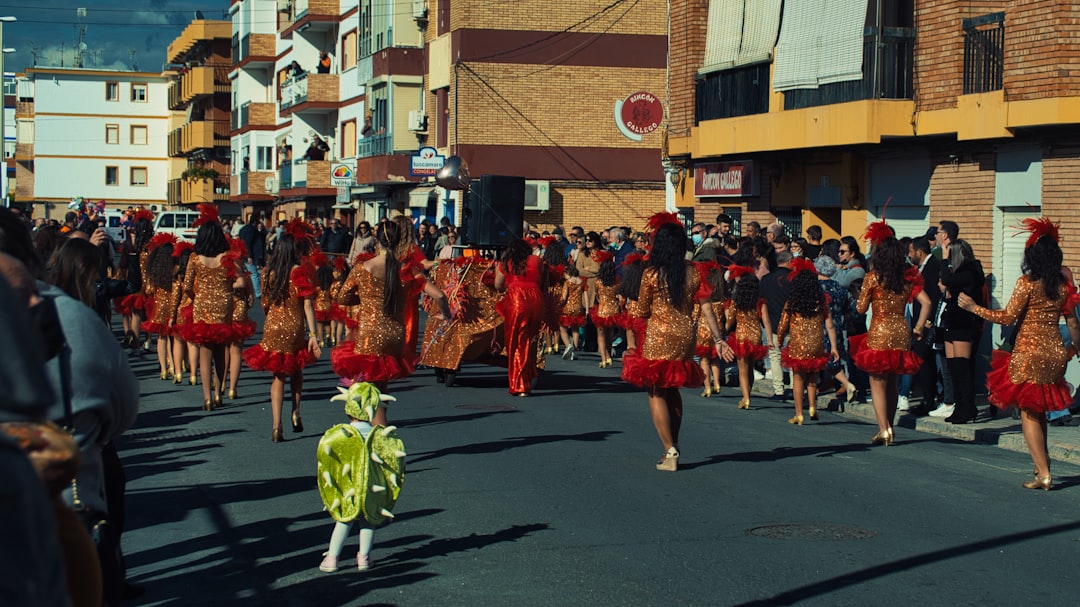
Brazilian cultural events, samba gatherings, and capoeira groups are common in both cities.
6. Education and Family Life
For Brazilian families relocating with children, both cities provide strong public healthcare and education.
- Spain’s public healthcare system is widely respected.
- Public schools are free and generally high quality.
- Private and international schools are available but costly.
In Barcelona, some public schooling incorporates Catalan as the primary language of instruction, which may influence family decisions.
Madrid’s schools operate primarily in Spanish, which may simplify adaptation for Brazilian children.
7. Transportation and Connectivity
Madrid’s central geographic location makes it ideal for exploring Spain. High-speed trains (AVE) connect it efficiently to:
- Seville
- Valencia
- Barcelona
- Málaga
Barcelona, on the other hand, offers easier access to France and the rest of Europe by land, plus strong cruise and ferry connections.
Both cities have major international airports with direct flights to Brazil, especially São Paulo and Rio de Janeiro.
8. Which City Feels More Like Home?
Ultimately, many Brazilians describe:
- Madrid as traditional, energetic, and deeply Spanish.
- Barcelona as coastal, artistic, and global.
If you prioritize career stability and linguistic simplicity, Madrid may come out ahead. If lifestyle, beach access, and creative freedom rank higher, Barcelona could feel like a better fit.
Final Thoughts
Choosing between Madrid and Barcelona isn’t about picking the “better” city—it’s about choosing the right match for your goals and personality. Both destinations offer Brazilians safety, cultural richness, high quality of life, and relative proximity to home compared to other European options.
Madrid stands strong as Spain’s economic and political heart, offering structure and opportunity. Barcelona shines as a Mediterranean cultural gem where work-life balance leans toward sunshine and sea.
For Brazilians ready to begin a new chapter in Spain, either city can become home. The real decision lies in whether your heart beats louder for the rhythm of a capital city—or for the waves of the Mediterranean coast.