Modern sales teams do not win by keeping more spreadsheets, sending more follow-up emails manually, or trying to remember every detail from every conversation. They win by building a reliable system around relationships, opportunities, customer data, and service history. Karavan CRM is designed around that idea: helping businesses organize sales activity, manage customers more intelligently, and turn everyday interactions into measurable growth.
TLDR: Karavan CRM helps sales and customer management teams centralize leads, contacts, deals, tasks, and communication in one organized platform. Its features support pipeline visibility, follow-up automation, customer segmentation, reporting, and collaboration across teams. For growing businesses, it can reduce scattered data, improve response times, and create a clearer path from first contact to loyal customer.
Why a CRM Like Karavan Matters
Customer relationships are rarely simple. A prospect might first contact your company through a website form, then speak to a sales representative, receive a proposal, request a discount, talk to support, and finally become a long-term account. Without a proper system, those touchpoints can become fragmented. Important notes get buried in inboxes, follow-ups are missed, and sales managers struggle to understand what is really happening in the pipeline.
Karavan CRM addresses this challenge by bringing sales and customer information into a single workspace. Instead of treating every interaction as a separate event, it connects them into a continuous customer journey. This makes it easier for teams to see where a lead came from, what they need, who is responsible for the next step, and how likely they are to convert.

Centralized Contact and Customer Management
At the heart of any CRM is the contact database. Karavan CRM gives businesses a structured way to store and manage customer information, including names, companies, phone numbers, email addresses, purchase interests, communication history, and account status. This goes far beyond a digital address book. It becomes a living profile of every customer relationship.
For customer-facing teams, this is extremely valuable. A sales representative can open a contact record and immediately understand who the customer is, what they discussed previously, which products they considered, and what actions are pending. A support or account management team can do the same, reducing the need for customers to repeat themselves.
Useful contact management capabilities may include:
- Detailed customer profiles with personal, company, and deal-related information.
- Interaction history that tracks calls, emails, meetings, notes, and follow-ups.
- Customer segmentation for grouping contacts by industry, location, buying stage, or priority.
- Ownership assignment so every record has a responsible team member.
- Search and filtering tools to quickly find the right customer or account.
When contact data is clean and accessible, teams can spend less time looking for information and more time building meaningful relationships.
Lead Capture and Lead Management
Sales growth often begins with lead generation, but lead generation is only useful if those leads are handled properly. Karavan CRM can support the process of capturing, organizing, qualifying, and assigning leads so that potential opportunities do not fall through the cracks.
Leads may come from many sources: website forms, social campaigns, referrals, phone inquiries, events, email campaigns, or manual entry by the sales team. Once they enter the CRM, they can be categorized based on interest level, source, budget, timeline, or product need. This gives sales teams a practical way to prioritize their effort.
Not every lead deserves the same attention at the same moment. Some are ready for a proposal, while others need nurturing over weeks or months. Karavan CRM helps businesses create a clearer distinction between cold leads, warm prospects, qualified opportunities, and active deals.
Sales Pipeline Visibility
One of the most important Karavan CRM features for sales management is pipeline tracking. A sales pipeline shows where every opportunity stands in the buying process. Instead of relying on vague updates like “the deal is progressing,” managers can review each stage visually and understand what is happening in real time.
A typical pipeline might include stages such as:
- New lead
- Contacted
- Qualified
- Proposal sent
- Negotiation
- Won or lost
With this structure, sales representatives know exactly what action is needed next. Managers can identify bottlenecks, such as too many deals stuck in the proposal stage or too few qualified leads entering the pipeline. This visibility makes sales forecasting more reliable and coaching more specific.

Task Management and Follow-Up Reminders
In sales, timing often makes the difference between closing a deal and losing momentum. A prospect who asks for pricing today may expect a response quickly. A customer whose contract is expiring next month may need a renewal conversation before competitors get involved. Karavan CRM supports better timing through task management and reminders.
Sales representatives can create tasks for calls, meetings, emails, demos, proposal deadlines, contract renewals, or internal approvals. These tasks can be linked to specific contacts, companies, or deals, keeping all related activity connected. Instead of relying on memory or scattered calendar notes, teams can work from a clear action list.
Follow-up reminders are especially powerful because many lost sales are not caused by poor products or pricing. They are caused by silence. A prospect asks a question, the team gets busy, and the conversation fades. A CRM helps prevent that by turning follow-up into a visible, trackable responsibility.
Email and Communication Tracking
Communication is the backbone of customer management. Karavan CRM can help teams keep communication organized by logging emails, calls, meetings, and notes within customer records. This creates a shared timeline that shows what has already been said, what was promised, and what needs to happen next.
This feature is useful not only for sales representatives but also for managers and cross-functional teams. If a representative is unavailable, another team member can review the record and continue the conversation without starting from zero. Customers experience a smoother, more professional interaction because the business appears informed and coordinated.
Communication tracking also helps with accountability. Managers can see whether leads are being contacted, whether follow-ups are happening on time, and whether high-value opportunities are receiving enough attention.
Automation for Repetitive Sales Work
Sales teams often perform the same small actions repeatedly: sending introduction emails, updating deal stages, assigning new leads, creating follow-up tasks, or notifying managers when a deal reaches a key stage. Karavan CRM can improve productivity by automating some of these repetitive workflows.
Automation does not replace human selling. Instead, it removes unnecessary manual work so representatives can focus on conversations, strategy, and closing. For example, when a new lead enters the system, Karavan CRM may assign it to the correct salesperson based on territory or product category. When a quotation is sent, the system can create a reminder to follow up after a few days.
Common automation use cases include:
- Automatic lead assignment based on region, source, or sales team workload.
- Email templates for quick, consistent communication.
- Follow-up task creation after calls, meetings, or proposals.
- Pipeline stage triggers that notify managers when important deals move forward.
- Customer nurturing sequences for leads that are interested but not ready to buy.
Customer Segmentation and Personalization
Customers do not all want the same message. A new prospect may need education, while a returning customer may respond better to loyalty offers or account updates. Karavan CRM helps teams segment customers into meaningful groups, making communication more relevant and effective.
Segmentation can be based on factors such as purchase history, industry, location, deal size, engagement level, product interest, or lifecycle stage. Once customers are grouped, teams can personalize outreach instead of sending generic messages to everyone.
Personalization is not just about using someone’s first name. It is about understanding context. A CRM makes that context easier to access, allowing teams to tailor conversations around the customer’s needs, previous interactions, and business goals.
Reporting and Sales Analytics
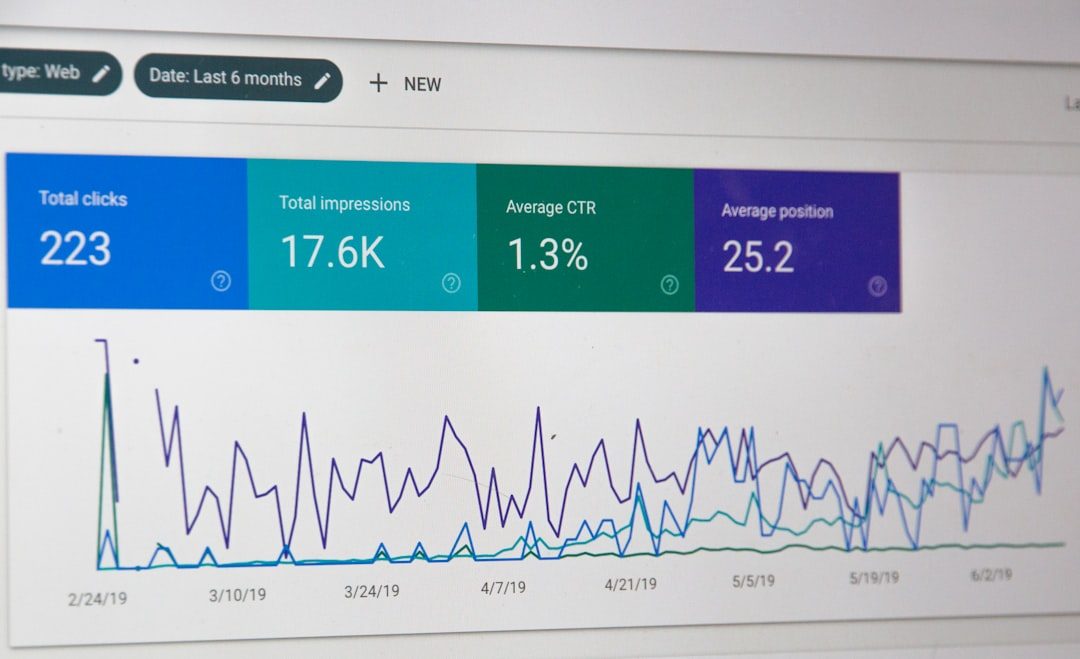
Good sales management requires more than motivation and intuition. It requires data. Karavan CRM’s reporting and analytics capabilities can help leaders understand team performance, pipeline health, conversion rates, revenue forecasts, and customer behavior.
Reports may answer practical questions such as:
- How many new leads were generated this month?
- Which lead sources produce the highest conversion rates?
- How many deals are currently in each pipeline stage?
- Which sales representatives are closing the most revenue?
- How long does it take to move from first contact to closed deal?
- Where are opportunities most often being lost?
These insights help businesses improve strategy. If leads from one marketing source rarely convert, the budget can be adjusted. If proposals are frequently delayed, the approval process can be reviewed. If one salesperson has exceptional conversion rates, their approach can be studied and shared with the team.
Collaboration Between Sales and Customer Service
Customer management does not end when a deal is won. In many businesses, the real long-term value comes after the first purchase through renewals, repeat orders, support quality, and customer satisfaction. Karavan CRM can help bridge the gap between sales and service by giving both teams access to shared customer information.
When customer service teams can see the promises made during the sales process, they can deliver a more consistent experience. When sales teams can see support issues or satisfaction concerns, they can approach renewals and upsells more carefully. This shared visibility reduces internal confusion and helps the company behave like one coordinated team.
Account Management and Customer Retention
For businesses that rely on repeat customers or long-term contracts, account management is just as important as new sales. Karavan CRM can help track key accounts, renewal dates, contract details, customer preferences, and relationship health. This allows teams to be proactive rather than reactive.
For example, if a major customer has not been contacted in several months, the CRM can highlight that gap. If a renewal date is approaching, the account manager can prepare early. If a customer has expressed interest in an additional product, that opportunity can be recorded and revisited at the right time.
Retention is often more efficient than acquisition. A well-managed CRM supports both by helping teams win new business while also protecting existing relationships.
Mobile Access and On-the-Go Selling
Sales work does not always happen at a desk. Representatives may visit clients, attend trade shows, travel between meetings, or work remotely. Mobile access to CRM data can be a major advantage because it allows salespeople to update records, check contact details, view tasks, and log meeting notes wherever they are.
This ensures that information is captured while it is still fresh. A salesperson leaving a meeting can immediately record what was discussed, schedule the next step, and update the deal stage. That real-time accuracy benefits the entire team.
Customization for Different Sales Processes
No two businesses sell in exactly the same way. A real estate company, software provider, wholesale distributor, consulting firm, and service business may all need different pipelines, fields, customer categories, and reports. Karavan CRM’s value increases when it can be adapted to fit those workflows.
Customization may include creating unique deal stages, adding custom fields, defining user roles, setting permissions, building tailored dashboards, and configuring activity types. This flexibility helps the CRM support the business process instead of forcing teams to work around rigid software.
Benefits for Managers and Business Owners
For leaders, Karavan CRM offers a clearer picture of sales activity and customer health. Instead of waiting for manual updates, managers can review dashboards, reports, and pipeline movement. This makes one-on-one coaching more productive because discussions can be based on real opportunities and specific activities.
Business owners also benefit from improved forecasting. When deal values, probabilities, and expected close dates are tracked consistently, it becomes easier to estimate future revenue. This supports better hiring decisions, cash flow planning, marketing investment, and operational preparation.
Benefits for Sales Representatives
While management visibility is important, a CRM must also help the people who use it every day. For sales representatives, Karavan CRM can act as a personal productivity hub. It shows who to contact, what to say next, which deals need attention, and where opportunities stand.
Instead of feeling burdened by administration, representatives can use the CRM to stay organized and sell more confidently. The best CRM systems reduce confusion, improve focus, and make it easier to manage a busy pipeline without losing important details.
Final Thoughts
Karavan CRM features for sales and customer management are most valuable when they are used as part of a thoughtful relationship strategy. The platform can centralize customer data, structure the sales pipeline, automate routine tasks, improve follow-up discipline, strengthen reporting, and support collaboration across departments.
In a competitive market, customers remember how quickly a company responds, how well it understands their needs, and how consistently it delivers on promises. Karavan CRM helps businesses manage those moments with more clarity and control. For teams that want to move beyond scattered notes and disconnected conversations, it can become the operational backbone of smarter sales and stronger customer relationships.