
Data has become one of the most valuable business assets, but its value is only realized when it is organized, governed, packaged, and turned into measurable revenue. Data monetization services help organizations transform raw information into products, insights, operational efficiencies, and strategic partnerships that generate new income streams or improve profitability.
TLDR: Data monetization services help companies earn revenue from internal, customer, operational, and market data through products, analytics, partnerships, and automation. For example, a retail chain analyzing loyalty data may identify that 28% of repeat buyers respond to personalized offers, increasing campaign revenue by 15% in one quarter. The most successful strategies combine strong governance, privacy compliance, and a clear commercial model. Organizations that treat data as a managed asset can create recurring revenue while improving decision-making.
Why Data Monetization Matters
Modern businesses collect large volumes of data from transactions, websites, apps, sensors, customer interactions, supply chains, and third-party platforms. However, many organizations store this information without extracting its full commercial potential. Data monetization turns that unused or underused data into direct or indirect financial value.
Direct monetization involves selling or licensing data, analytics, or insights. Indirect monetization uses data to reduce costs, improve customer retention, optimize operations, or increase sales. A strong data monetization strategy often combines both approaches.
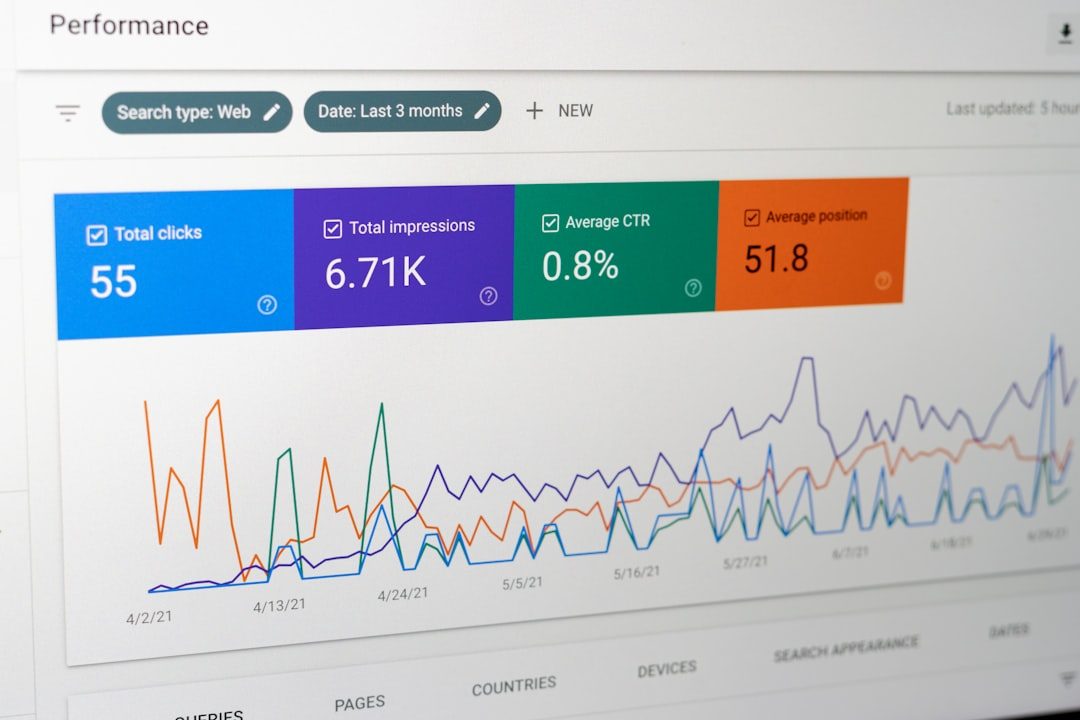
10 Proven Ways to Generate Revenue from Data Assets
1. Sell Aggregated Market Insights
Organizations with access to large volumes of industry-specific data can package aggregated insights for external buyers. These insights may include consumer trends, pricing patterns, regional demand, or competitor benchmarks.
For example, a logistics company may sell anonymized delivery trend reports to retailers looking to understand seasonal shipping demand. The key is to ensure that the data is aggregated, anonymized, and compliant with privacy regulations.
2. Create Subscription-Based Data Products
Subscription models provide predictable recurring revenue. Companies can offer dashboards, data feeds, APIs, or industry reports that customers access monthly or annually.
A financial analytics provider, for instance, may offer a subscription dashboard showing real-time market signals and risk scores. This model works well when data is updated frequently and customers depend on it for ongoing decisions.
3. License Data to Partners
Data licensing allows organizations to provide approved partners with access to specific datasets under defined terms. Unlike a one-time sale, licensing can create long-term commercial relationships.
Partners may use licensed data for product development, forecasting, research, or customer intelligence. Contracts should clearly define usage rights, duration, access limits, security standards, and compliance responsibilities.
4. Offer Predictive Analytics Services
Predictive analytics uses historical and real-time data to forecast future outcomes. Businesses can monetize these capabilities by offering forecasting services to other companies or by improving their own revenue operations.
Examples include demand forecasting, churn prediction, credit risk scoring, inventory planning, and fraud detection. A telecom provider that predicts customer churn early may reduce cancellations by 10% to 20%, protecting millions in annual revenue.
5. Build Data-Driven Customer Segmentation
Customer segmentation allows organizations to group audiences based on behavior, preferences, purchase history, demographics, or engagement level. These segments can increase the value of marketing, advertising, and personalization programs.
A retailer may use segmentation to identify high-value customers and deliver exclusive offers. Advertising platforms can also monetize audience segments by helping brands reach more precise groups, provided that privacy rules and consent requirements are followed.

6. Develop Benchmarking Reports
Benchmarking reports help customers compare performance against industry averages or peer groups. These reports are valuable because they translate complex data into clear business context.
For example, a software company serving restaurants may publish paid benchmarking reports on table turnover, average order value, staffing efficiency, and online booking trends. Customers are often willing to pay for insights that show where they stand and what actions could improve performance.
7. Monetize APIs and Data Feeds
APIs allow customers, developers, and partners to access data programmatically. This approach is especially useful for companies with real-time or frequently changing information.
Weather data, pricing data, traffic data, product availability, financial indicators, and location intelligence can all be monetized through API access. Pricing may be based on request volume, data depth, update frequency, or service level agreements.
8. Improve Internal Revenue Through Operational Optimization
Not every monetization strategy requires selling data externally. Internal data can generate significant value by reducing waste, improving productivity, and increasing margins.
Manufacturers can use machine data to predict equipment failures and reduce downtime. Retailers can optimize inventory levels to avoid stockouts and overstocking. Healthcare organizations can use patient flow data to improve scheduling and resource allocation. These improvements may not appear as direct data sales, but they create measurable financial returns.
9. Use Data to Power Personalized Products and Services
Personalization is one of the most effective ways to turn data into revenue. By analyzing behavior and preferences, companies can recommend products, customize experiences, and increase conversion rates.
Streaming platforms, e-commerce stores, banking apps, and travel companies rely heavily on personalization. A company that improves recommendation accuracy may increase average order value, subscription retention, or customer lifetime value.
10. Form Strategic Data Partnerships
Strategic partnerships allow two or more organizations to combine complementary datasets and create new value. For example, a mobility company and a retail chain may collaborate to understand local foot traffic patterns and store demand.
These partnerships can produce co-branded reports, shared analytics products, better customer experiences, or new commercial services. Successful partnerships require trust, clear governance, and strong legal agreements.

Key Requirements for Successful Data Monetization
Even the best data monetization idea can fail without the right foundation. Organizations need clean, accurate, secure, and well-documented data. They also need governance processes that define ownership, access permissions, data quality standards, and acceptable uses.
- Data quality: Revenue-generating data must be reliable, consistent, and updated.
- Privacy compliance: Personal data must be handled according to applicable laws and consent rules.
- Security: Data products and platforms must protect against unauthorized access.
- Clear pricing: Pricing should reflect uniqueness, update frequency, demand, and customer value.
- Commercial packaging: Data should be easy to understand, access, and apply.
Common Challenges
Data monetization services often face challenges such as fragmented systems, poor data quality, unclear ownership, and regulatory risk. Some organizations also overestimate the market value of raw data. Buyers rarely want unprocessed datasets; they usually want answers, predictions, benchmarks, or tools that support decisions.
Another challenge is trust. Customers and partners must believe that data is accurate, ethically sourced, and legally usable. Transparent governance and strong documentation can make a data product more credible and easier to sell.
Conclusion
Data monetization is no longer limited to technology companies. Retailers, manufacturers, banks, healthcare providers, logistics firms, media companies, and service businesses can all generate value from data assets. The most effective approaches focus on solving real business problems, not simply selling information.
By using strategies such as subscription data products, predictive analytics, API monetization, benchmarking, personalization, and strategic partnerships, organizations can create new revenue streams and strengthen their competitive position. With proper governance and privacy protection, data can become a sustainable engine for growth.
FAQ
What are data monetization services?
Data monetization services help organizations convert data assets into financial value through analytics, data products, licensing, subscriptions, APIs, optimization, and strategic partnerships.
Is data monetization only about selling data?
No. Data monetization can be direct, such as selling insights, or indirect, such as using data to reduce costs, increase sales, improve retention, or optimize operations.
What types of data can be monetized?
Organizations can monetize customer data, transaction data, operational data, location data, market data, sensor data, performance data, and aggregated industry data, as long as usage is legal and ethical.
How can companies protect privacy while monetizing data?
They can use anonymization, aggregation, consent management, access controls, encryption, legal agreements, and compliance reviews to reduce privacy and regulatory risks.
What is the fastest way to start monetizing data?
The fastest approach is often internal monetization through improved reporting, customer segmentation, churn reduction, or operational optimization. These methods usually require fewer legal and commercial steps than external data sales.