
Choose an edge proxy when you need control, speed, and policy enforcement close to the user, not just a different IP address. Residential proxies, datacenter proxies, and CDNs all solve useful problems, but they are not direct substitutes. The right choice depends on whether your main issue is latency, trust, scale, anonymity, compliance, or content delivery.
TLDR: An edge proxy is best for routing traffic through nearby edge locations while applying security, access, and performance rules before requests hit your origin. For example, a SaaS platform serving users in Europe and Asia might cut average API response time from 420 ms to 260 ms by moving authentication checks and request filtering to edge nodes. Residential proxies are better for appearing like real consumer users, while datacenter proxies are cheaper for bulk tasks. CDNs are strong for caching static content, but they do not always offer the same request-level control as a purpose-built edge proxy.
What is an edge proxy?
An edge proxy sits close to end users, usually in distributed points of presence across regions. It receives traffic first, processes it, and then decides what happens next. It may forward the request to an origin server, block it, rewrite it, cache it, inspect headers, apply rate limits, or route it to a healthier backend.
This makes it different from a simple forward proxy. It is not only about masking an IP address. It is about placing logic at the network edge, where every extra 100 milliseconds can hurt user experience and conversion rates.
Image not found in postmetaCommon edge proxy tasks include:
- TLS termination closer to the user.
- Request filtering before traffic reaches origin systems.
- Bot control based on headers, behavior, and reputation.
- Smart routing across regions or cloud providers.
- API protection through rate limits and authentication checks.
- Failover when an origin becomes slow or unavailable.
Edge proxies vs residential proxies
Residential proxies route traffic through IP addresses assigned to real consumer internet connections. They are often used for ad verification, market research, price monitoring, fraud testing, and access testing from specific locations.
Their main strength is perceived legitimacy. A request from a residential IP often looks more like a normal user than traffic from a cloud server. This can reduce blocks during public web data collection, provided the activity is legal and respects website terms.
An edge proxy serves a different purpose. It protects and optimizes your own applications or services. It is not mainly used to look like a household user. It is used to process traffic close to the source.
The tradeoff is clear:
- Residential proxies: Useful for location-sensitive testing and public web access patterns.
- Edge proxies: Better for application delivery, API security, traffic control, and latency reduction.
The catch is that residential proxy networks can be expensive and inconsistent. Performance may vary by ISP, city, and time of day. A request that takes 800 ms from one node may take 2.4 seconds from another. That kind of swing is painful when teams expect stable infrastructure.
Edge proxies vs datacenter proxies
Datacenter proxies use IP addresses from cloud providers or hosting facilities. They are fast, cheap, and easy to scale. For internal testing, scraping permitted sources, account checks, or routing non-sensitive automated traffic, they can be practical.
They also have a major weakness. Many websites and security tools can spot datacenter IP ranges. If the destination service distrusts cloud-origin traffic, block rates may rise quickly.
Edge proxies may also run in cloud or private edge environments, but the design goal is different. They sit in front of your services. They inspect incoming traffic and improve delivery. A datacenter proxy usually sends your outbound traffic somewhere else.
Use datacenter proxies when cost and raw throughput matter most. Use edge proxies when uptime, user latency, request governance, and origin protection matter more.
For example, a gaming company may use datacenter proxies to test matchmaking endpoints from multiple regions. The same company may use edge proxies in production to rate-limit login attempts, route players to the nearest backend, and block abusive traffic before it reaches core systems.
Edge proxies vs CDNs
A content delivery network is built to cache and deliver content from servers close to users. CDNs are excellent for images, scripts, videos, software downloads, and static site assets. Many also support web application firewalls, bot checks, and serverless edge functions.
Because of that overlap, people often confuse CDNs with edge proxies. The difference comes down to control and intent.
A CDN asks, “Can this content be served faster from cache?” An edge proxy asks, “What should happen to this request before it reaches the origin?” Those questions are related, but not identical.

A CDN may be enough if your main issue is static content delivery. If 85% of your traffic is images and JavaScript files, caching can deliver major savings. But if your application relies on real-time APIs, identity checks, payment flows, or region-specific routing, a richer edge proxy setup may fit better.
It drives me crazy that some teams buy a CDN and assume every edge problem is solved. Then login calls still travel halfway across the world. API failures still hit the origin. Bot floods still burn compute. Static assets got faster, sure, but the hard traffic stayed hard.
Where edge proxies work best
Edge proxies are strongest when requests require judgment. They are useful when you need decisions made close to the user, before the origin does any heavy work.
- API performance: Route users to nearby regions and reject invalid calls early.
- Zero trust access: Check identity, device posture, and permissions at the edge.
- Multi cloud routing: Send traffic to the healthiest provider or nearest cluster.
- Bot defense: Rate-limit suspicious clients and challenge risky sessions.
- Data residency: Keep traffic within approved regions where required.
A retail platform is a good example. During a sale, its product pages may be cached by a CDN. But checkout, inventory, account login, and payment calls need stricter control. An edge proxy can filter bad requests, route buyers to the nearest checkout API, and redirect overflow traffic if one region weakens.
Cost and operational tradeoffs
Edge proxies are powerful, but they are not free from complexity. Teams need clear rules, observability, version control, and rollback plans. A bad edge rule can block valid customers at scale. That is not a small mistake.
Costs may include traffic processing, rule execution, security features, logs, and regional deployment. Residential proxies often charge by bandwidth. Datacenter proxies may charge per IP or port. CDNs usually charge by bandwidth, requests, cache rules, and add-on security features.
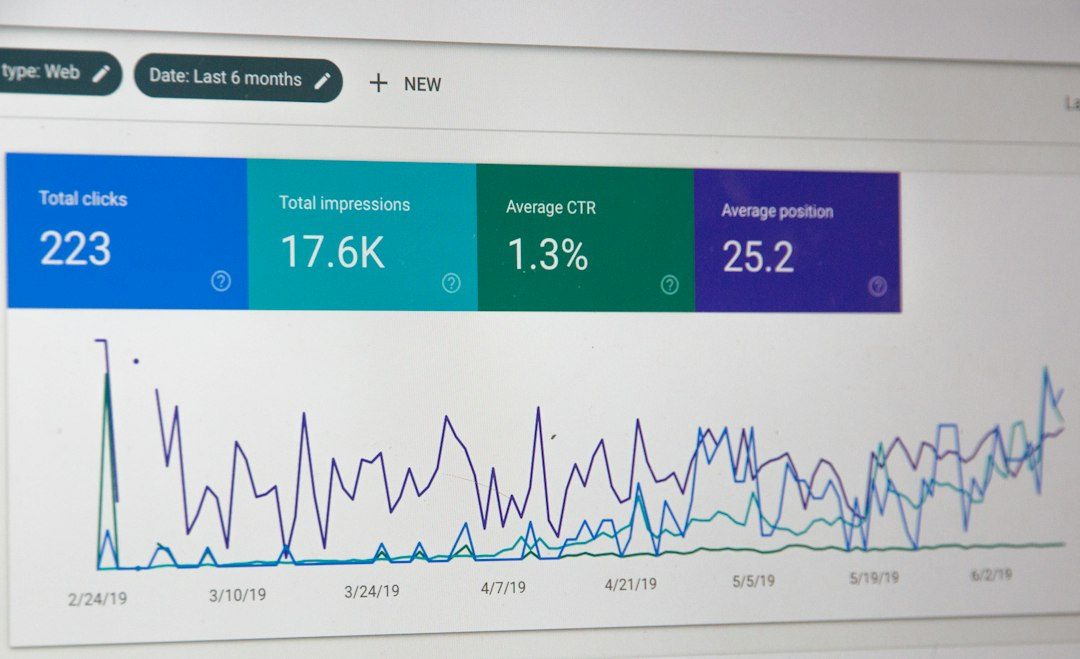
Compare options using measurable criteria:
- Latency: What is the median and 95th percentile response time?
- Reliability: How does traffic behave during regional failure?
- Control: Can you inspect, rewrite, block, and route requests?
- Compliance: Can logs and traffic remain in approved regions?
- Cost: What happens when request volume doubles?
How to choose the right option
Pick a residential proxy when the task requires consumer-like IP presence, such as location testing or approved public data collection. Pick a datacenter proxy when you need inexpensive, high-volume outbound traffic and IP reputation is not a major issue.
Pick a CDN when caching and content delivery are the main problems. It is often the simplest win for media-heavy sites, documentation portals, software downloads, and marketing pages.
Pick an edge proxy when live requests need policy, routing, security, or identity decisions close to the user. This is the better fit for SaaS platforms, fintech apps, marketplaces, gaming backends, healthcare portals, and any service where origin protection matters.
The strongest architecture often combines tools. A CDN can handle static files. An edge proxy can govern API traffic. Residential or datacenter proxies can support testing and research. The serious mistake is treating them as interchangeable. They are not.
Bottom line: edge proxies are not just another proxy category. They are a control layer near the user. If your priority is safer, faster, and smarter request handling, they deserve a close look before you add more servers, more IPs, or another generic caching layer.