Email list management is the structured process of collecting, organizing, maintaining, segmenting, and improving subscriber data so that email campaigns reach the right people with the right message. Strong list management helps organizations protect sender reputation, improve engagement, reduce waste, and build long-term customer relationships. When handled carefully, an email list becomes more than a database; it becomes a dependable communication asset.
TLDR: Effective email list management means keeping subscriber data clean, permission-based, segmented, and regularly updated. A company with 50,000 contacts, for example, may find that removing 8,000 inactive or invalid addresses improves open rates from 18% to 27% and reduces bounce rates significantly. The best results come from combining quality signups, smart segmentation, regular hygiene, and compliance with consistent performance monitoring.
Why Email List Management Matters
Email marketing remains one of the most cost-effective digital channels, but its success depends heavily on list quality. A large list filled with inactive, invalid, or uninterested contacts can damage deliverability and make campaign analytics misleading. In contrast, a smaller but engaged list often generates better revenue, stronger customer loyalty, and clearer insights.
Poor list management can lead to high bounce rates, spam complaints, low engagement, and blacklisting by email service providers. Once sender reputation declines, even well-designed campaigns may land in spam folders. For that reason, businesses should treat email list management as an ongoing operational discipline rather than a one-time setup task.

Build the List with Permission-Based Methods
The foundation of a healthy email list is consent. Subscribers should join willingly through clear signup forms, checkout opt-ins, webinar registrations, lead magnets, or account creation pages. Purchased lists may appear attractive because they offer quick volume, but they often contain unqualified contacts, outdated addresses, and people who never agreed to receive messages.
Best practice is to use explicit opt-in language that explains what subscribers will receive and how often they can expect communication. A double opt-in process, where a person confirms their email address after signing up, can further improve data quality. Although double opt-in may reduce the number of total signups, it usually increases engagement because confirmed subscribers are more likely to be interested.
- Use clear forms: Signup forms should explain the value of subscribing.
- Avoid pre-checked boxes: Consent should be intentional and transparent.
- Confirm new subscribers: Double opt-in helps prevent fake or mistyped addresses.
- Set expectations: Frequency, content type, and benefits should be easy to understand.
Keep Subscriber Data Accurate and Useful
Email lists often become messy over time. People change jobs, abandon old inboxes, mistype addresses, or lose interest. To maintain quality, organizations should review list data regularly and correct or remove inaccurate records.
Important data points may include name, email address, location, purchase history, signup source, engagement level, and content preferences. However, businesses should collect only the information they need. Asking for too many details at signup can reduce conversions, while storing unnecessary data can increase privacy and compliance risks.
A practical approach is to collect minimal information first, then enrich profiles over time through preference centers, surveys, and behavioral tracking. This method keeps the signup experience simple while gradually improving personalization.
Segment the List for Better Relevance
Segmentation is one of the most important email list management practices. Instead of sending the same message to every subscriber, marketers can divide contacts into smaller groups based on shared characteristics or behaviors. This helps campaigns feel more relevant and less generic.
Common segmentation categories include:
- Engagement level: Active readers, occasional openers, and inactive subscribers.
- Purchase behavior: First-time buyers, repeat customers, high-value customers, or abandoned cart users.
- Demographics: Location, language, industry, company size, or age group where appropriate.
- Interests: Product categories, content preferences, or webinar topics.
- Lifecycle stage: New leads, trial users, customers, and loyal advocates.
For example, an online retailer may send a discount on running shoes only to subscribers who previously browsed athletic products. This targeted approach is more likely to generate clicks than sending the same offer to the entire database.
Clean the List on a Regular Schedule
List cleaning, also known as email list hygiene, involves identifying and removing addresses that harm performance. This includes invalid emails, hard bounces, duplicate records, spam traps, and long-term inactive subscribers. Many companies clean their lists quarterly, though high-volume senders may need monthly reviews.
Cleaning should not be limited to deletion. Before removing inactive subscribers, a business can run a re-engagement campaign. These campaigns ask inactive contacts whether they still want to receive emails and may offer a preference update, special incentive, or final reminder.
A useful re-engagement sequence may include:
- Email 1: A friendly check-in asking whether the subscriber still wants updates.
- Email 2: A value-focused message highlighting popular content or benefits.
- Email 3: A final notice explaining that the contact will be removed unless they stay subscribed.
If a subscriber does not respond after the sequence, removal is often the best option. Keeping inactive contacts can make campaigns look larger, but it usually weakens results.
Make Unsubscribing Simple
A healthy email strategy respects subscriber choice. Every marketing email should include a visible unsubscribe link that works quickly. Hiding the unsubscribe option may seem like a way to retain contacts, but it often increases spam complaints, which can damage deliverability more severely than unsubscribes.
Many organizations also use preference centers to reduce full opt-outs. Instead of leaving completely, subscribers may choose to receive fewer emails, select certain topics, or pause communication for a period of time. This gives people more control while helping the business retain interested contacts.
Monitor Key Metrics and Sender Reputation
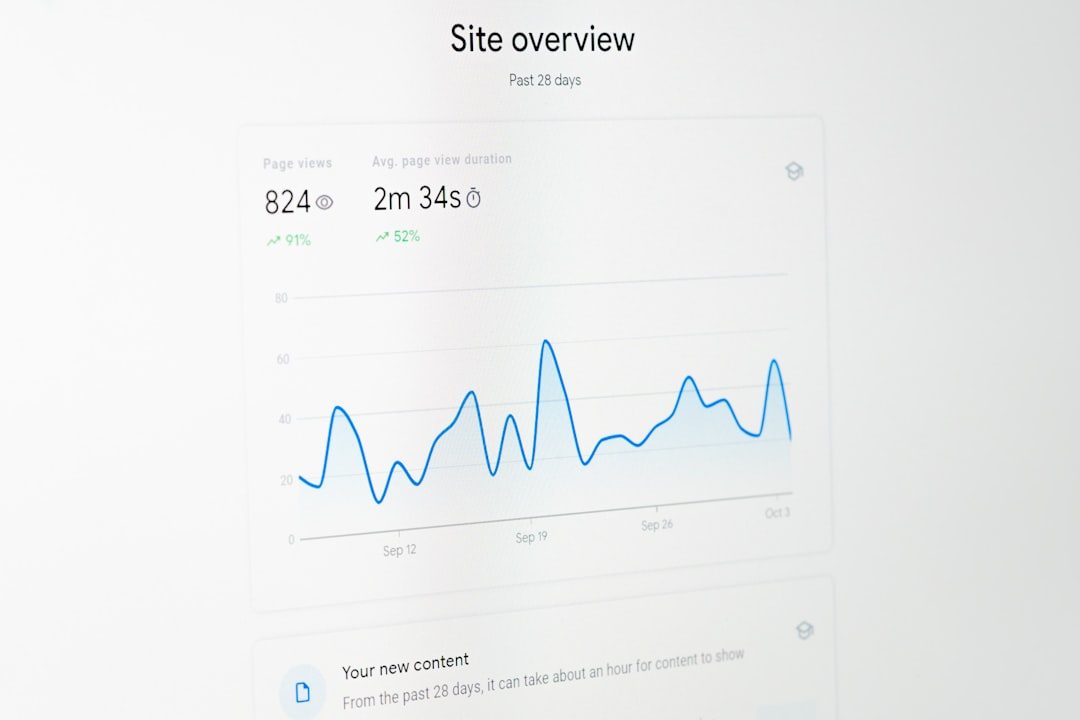
Email list management should be guided by data. Marketers should track list health and campaign performance to identify problems early. A sudden drop in open rates, for example, may indicate deliverability issues, poor subject lines, irrelevant segmentation, or list fatigue.
Important metrics include:
- Bounce rate: A high rate suggests invalid or outdated addresses.
- Open rate: This shows general visibility and subject line effectiveness, though tracking may vary due to privacy settings.
- Click-through rate: This indicates whether the content and offer are relevant.
- Unsubscribe rate: A spike may suggest over-emailing or poor targeting.
- Spam complaint rate: Even a small increase can harm sender reputation.
- Conversion rate: This connects email engagement to business outcomes.
Organizations should establish benchmarks and review trends over time. If engagement declines among a specific segment, the team can adjust frequency, content, or audience criteria before the issue spreads.
Maintain Compliance and Protect Privacy
Email list management must align with privacy laws and anti-spam regulations. Depending on audience location, relevant rules may include GDPR, CAN-SPAM, CASL, or other regional requirements. While legal details vary, most frameworks emphasize consent, transparency, access, and the ability to opt out.
Businesses should maintain records of consent, explain how data is used, honor unsubscribe requests promptly, and protect subscriber information from unauthorized access. Privacy policies should be easy to find and written in plain language. Responsible data handling builds trust and reduces legal risk.
Use Automation Without Losing Human Relevance
Automation can make list management more efficient. Welcome sequences, abandoned cart reminders, birthday messages, renewal notices, and re-engagement campaigns can all be triggered by subscriber behavior. Automated workflows help ensure timely communication without requiring manual sending for every interaction.
However, automation should be reviewed regularly. Outdated workflows, irrelevant offers, or excessive frequency can frustrate subscribers. The strongest programs combine automated efficiency with thoughtful content planning, brand consistency, and regular testing.
Test, Learn, and Improve Continuously
Email list management is not static. Audience expectations, inbox technology, privacy rules, and business goals change over time. Regular testing helps organizations understand what works best for their subscribers.
Useful tests may include subject lines, send times, email frequency, calls to action, personalization fields, and segment-specific offers. The goal is not to test everything at once, but to make controlled improvements based on reliable data.
FAQ
How often should an email list be cleaned?
Most organizations should clean their email lists at least every three months. High-volume senders or businesses with rapid list growth may benefit from monthly cleaning.
Is it better to have a large email list or an engaged email list?
An engaged email list is usually more valuable. A smaller group of interested subscribers often produces better deliverability, higher clicks, and stronger conversions than a large but inactive database.
What is a good way to reduce unsubscribes?
Businesses can reduce unsubscribes by sending relevant content, segmenting audiences, avoiding excessive frequency, and offering a preference center where subscribers can choose topics or email frequency.
Should inactive subscribers always be deleted?
Inactive subscribers should usually receive a re-engagement campaign first. If they still do not respond, removing them can improve list health and campaign performance.
Why is double opt-in important?
Double opt-in confirms that a subscriber genuinely wants to join the list and that the email address is valid. This improves engagement and reduces fake signups, bounces, and spam complaints.