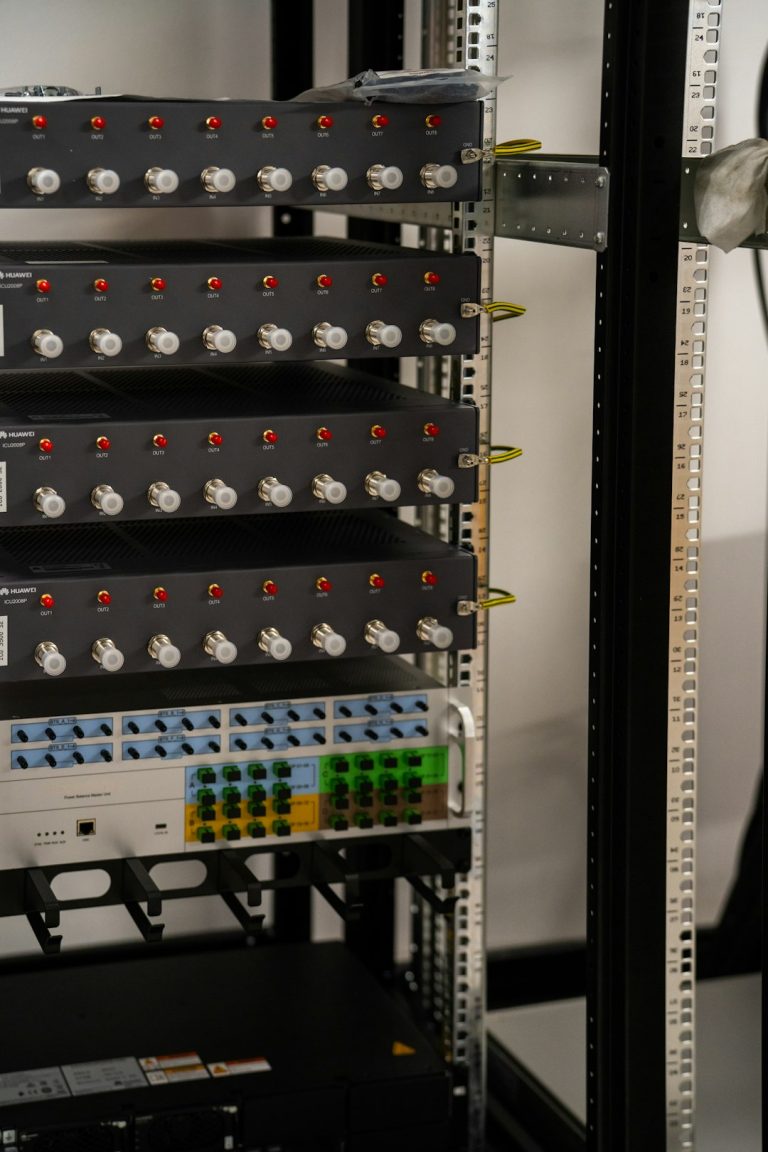
Forward deployed engineers turn hard customer deployments into working systems by sitting close to the buyer, the data, and the production constraints. They write code, debug integrations, explain trade offs, and carry product feedback back to internal teams. The role is part engineer, part solution architect, part field operator.
TLDR: A forward deployed engineer, often called an FDE, works directly with customers to install, adapt, and scale technical products in messy real environments. For example, a logistics company rolling out a route optimization platform across 18 depots might use an FDE to connect old warehouse software, fix data quality issues, and cut rollout time from 12 weeks to 7. In many enterprise deployments, the FDE is the person who turns “the product works in theory” into “the product works here, with our data, under our rules.”
What a Forward Deployed Engineer Actually Does
A forward deployed engineer is a technical specialist embedded close to a customer during high-stakes implementation work. Unlike a traditional support engineer, the FDE does not only respond to tickets. Unlike a sales engineer, the FDE does not leave once the contract is signed. The job continues into the hard part: production use.
That means working with real customer systems, not demo data. It means writing scripts at 11 p.m. because a batch import failed. It means translating a vague business complaint like “the dashboard feels wrong” into a data model issue, a permissions bug, or a missing workflow.
In practical terms, FDEs often handle:
- System integration with APIs, databases, identity providers, cloud platforms, and internal tools.
- Custom configuration so the product fits customer workflows without becoming a one-off mess.
- Data mapping and cleanup, especially when customer records are inconsistent or incomplete.
- Performance testing under real workloads, not polished sales demos.
- Technical training for customer admins, analysts, and operations teams.
- Product feedback for engineering teams, based on what users actually do.

Why Companies Use FDEs for Complex Deployments
Enterprise software rarely drops into place cleanly. A product may be well built, but every customer has old processes, unusual data, security rules, and a few systems nobody wants to touch. Honestly, it feels like half of enterprise deployment work is finding the spreadsheet that secretly runs the company.
FDEs help because they shorten the distance between product builders and product users. When something breaks, the customer does not need to explain the problem through five layers of account teams. A technical person is already there, reading logs, checking payloads, and asking better questions.
This matters most in industries such as:
- Financial services, where audit trails, access controls, and data accuracy are strict.
- Healthcare, where deployment must account for privacy rules and clinical workflows.
- Manufacturing, where software must connect to machines, sensors, and older planning tools.
- Government, where procurement, security reviews, and legacy systems can slow everything down.
- Logistics, where timing, routing, inventory, and live operational data all matter.
The Skills That Make an FDE Effective
The best forward deployed engineers are strong generalists. They may not be the world’s top expert in one narrow database engine, but they can understand enough of many systems to get work done. They know when to write code, when to redesign a workflow, and when to push back on a risky customer request.
Technical range is essential. Common skills include Python, SQL, REST APIs, cloud services, authentication, data pipelines, logging tools, container basics, and scripting. Some roles need deeper expertise in machine learning, cybersecurity, or large-scale data platforms.
But technical ability alone is not enough. FDEs spend a lot of time with customer teams. They need to explain trade offs without sounding smug. They need to ask direct questions without making users feel blamed. They also need to stay calm when a senior stakeholder says, “This has to go live by Friday.”
Strong FDEs usually share these traits:
- They diagnose before they build. They do not rush into fixes before understanding the real failure.
- They write maintainable code. Quick scripts are fine, but mystery glue code becomes painful later.
- They document decisions. Customers need to know why a deployment works, not just that it works.
- They manage scope. A deployment can easily turn into unpaid custom product development.
- They communicate risk early. Surprises are expensive during launch week.
How the Role Differs From Similar Jobs
The title can be confusing because it overlaps with several other roles. A forward deployed engineer may look like a solutions architect during planning, a software engineer during customization, a support engineer during incidents, and a product manager during feedback sessions.
The difference is ownership at the customer edge. The FDE is responsible for making the product useful in a specific environment. They are not only advising. They are building, testing, and fixing.
| Role | Main Focus | Typical Timing |
|---|---|---|
| Sales Engineer | Demos, technical validation, pre-sale questions | Before purchase |
| Solutions Architect | System design and implementation planning | Before and during rollout |
| Support Engineer | Issue resolution and ongoing technical help | After deployment |
| Forward Deployed Engineer | Hands-on deployment, integration, customization, feedback | During rollout and early production |
A Short Scenario: FDE in Action
Imagine a retail bank buying an AI fraud detection platform. The vendor’s product works well in pilots. Then production planning starts, and the trouble begins.
The bank has customer data in three systems. Transaction records use different formats by region. The security team requires strict access controls. The compliance team needs every model decision logged. The operations team wants alerts inside its existing case management tool, not another dashboard.
An FDE joins the project. First, they map the bank’s data sources. Then they build a connector for the case management system. They adjust alert thresholds with fraud analysts. They discover that one region sends timestamps in local time while another uses UTC. That one tiny mismatch was causing a 9 percent error rate in early alert grouping.
After six weeks, the bank launches in two regions. False positive reviews drop by 22 percent compared with the old rule-based system. Analysts trust the tool because it fits how they already work. The product team also learns that regional timestamp handling should become a standard feature, not a custom fix.
The Hard Parts of the Job
This role can be exciting, but it is not easy. FDEs sit where customer pressure and product limits meet. That can be tense.
Expect to waste time on access issues. A deployment may stall for three days because nobody knows who can approve a firewall change. A five-minute API test can take a week if credentials are stuck in an internal queue. It drives me crazy that some enterprise systems still turn basic environment setup into a scavenger hunt.
Other common challenges include:
- Unclear requirements, where customers know the pain but not the exact need.
- Data quality problems, such as duplicate records, missing IDs, and inconsistent naming.
- Security restrictions that block normal debugging methods.
- Scope creep, especially when customers ask for features outside the contract.
- Internal tension when field fixes compete with core product priorities.
Why FDEs Are Valuable to Product Teams
Forward deployed engineers are not only useful to customers. They are valuable sensors for the company building the product. They see which features confuse users. They learn which integrations appear again and again. They spot the gap between marketing promises and production behavior.
Good companies treat FDE feedback as product intelligence. If five customers need the same custom connector, it may deserve a standard integration. If every deployment needs the same workaround, the product has a design problem. If admins keep misconfiguring permissions, the interface may be too vague.

What Makes a Deployment Successful
A strong FDE does not aim to become permanently necessary. The goal is a stable handoff. Customer teams should leave with working systems, clear documentation, trained users, and known escalation paths.
Successful deployments usually include:
- A shared success metric, such as reduced processing time, fewer manual reviews, or higher uptime.
- A realistic rollout plan with pilot users, test data, security checks, and go-live criteria.
- Clear ownership for data, infrastructure, training, and support.
- Written runbooks for common failures and recovery steps.
- A feedback loop between the FDE, customer users, and core engineering team.
Forward deployed engineers are becoming more common because software buyers expect outcomes, not just licenses. They want tools that work inside their strange, aging, highly specific systems. The FDE helps bridge that gap with code, judgment, and direct customer contact. When the role is done well, complex deployments feel less like a gamble and more like controlled engineering work.