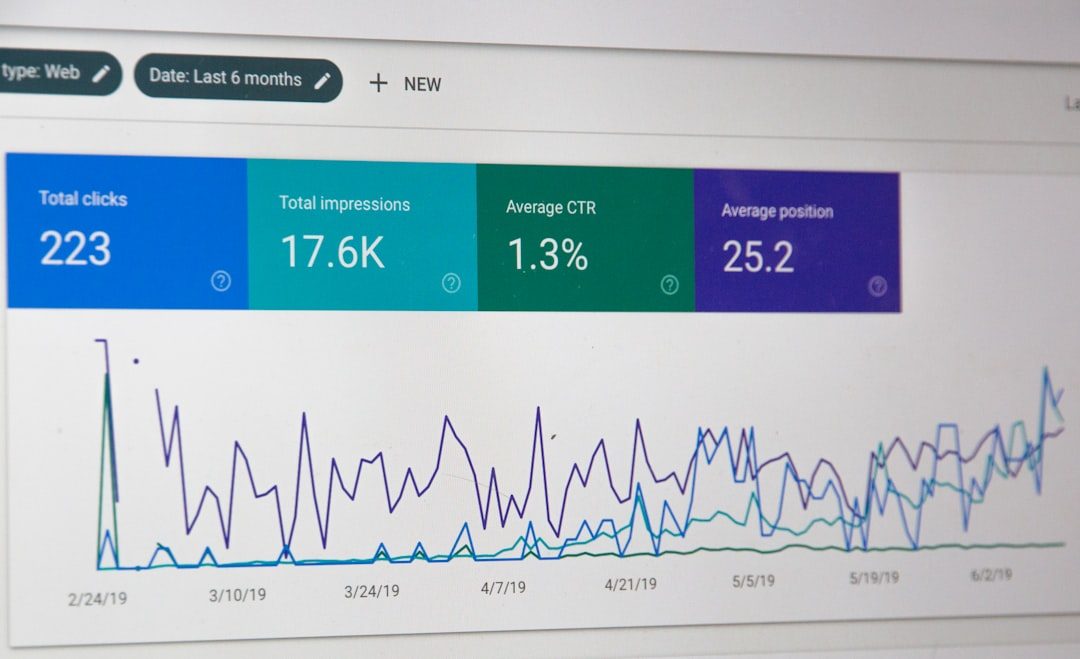
Use Brandwatch to measure who is talking about your brand, and use Google Analytics to measure what those people do once they reach your site. That is the cleanest answer. Brand awareness is not one number. It is a mix of chatter, search, visits, clicks, and memory. One tool sees the public conversation. The other sees your website behavior.
TLDR: Brandwatch is better for tracking awareness in social posts, news, forums, and online mentions. Google Analytics is better for tracking branded traffic, referral visits, and on-site actions. For example, a coffee brand might see a 42% rise in social mentions in Brandwatch after a TikTok campaign, while Google Analytics shows a 19% rise in branded search traffic and a 7% lift in newsletter signups. Use both if you want the full story.
What does brand awareness even mean?
Brand awareness means people know you exist. Simple. They may know your name. They may remember your logo. They may talk about you. They may search for you later.
But here is the annoying part. You cannot measure “memory” with one clean dashboard. People do not walk around with a little meter over their heads saying, “I am 73% aware of this brand.” Rude, honestly.
So we use signals instead.
- Mentions: Are people talking about you?
- Reach: How many people may have seen those mentions?
- Share of voice: Are you louder than rivals?
- Branded search: Are people searching your name?
- Direct traffic: Are people typing your site into the browser?
- Referral traffic: Are articles, posts, or influencers sending visitors?
This is where Brandwatch and Google Analytics come in. They answer different questions.

Brandwatch: the “who is talking about us?” tool
Brandwatch is a social listening and consumer intelligence tool. It watches public online spaces. Think social networks, blogs, forums, review sites, and news mentions.
It is strong when you want to know if people are noticing your brand before they visit your website.
Brandwatch can help you track:
- Brand mentions across public sources.
- Sentiment, such as positive, negative, or neutral talk.
- Share of voice against competitors.
- Key topics linked to your brand.
- Influencers or accounts driving attention.
- Campaign spikes after ads, events, or product drops.
Say you launch a new sneaker. Brandwatch can show that your brand got 8,400 mentions in one week. It can also show that 61% were positive, 21% were neutral, and 18% were negative. That matters. A spike is nice. A spike full of complaints is less nice.
Brandwatch is great for the top of the funnel. That is the part where people first hear about you. They may not click. They may not buy. But they are aware.
Google Analytics: the “what happened on our site?” tool
Google Analytics, especially GA4, tracks what users do on your website or app. It does not see most of the open web. It sees your owned space.
That means it is not a pure brand awareness tool. But it is very useful for awareness signals.
Google Analytics can help you track:
- Branded organic search traffic, if paired with Search Console.
- Direct traffic from people who know your site.
- Referral traffic from press, partners, and creators.
- New users after campaigns.
- Landing page visits from brand campaigns.
- Engagement, such as time, scrolls, clicks, and conversions.
Honestly, it feels like direct traffic in GA4 is a junk drawer some days. Some of it is true direct traffic. Some of it is missing campaign tags. Some of it is from apps, emails, or odd redirects. You may spend 20 minutes checking a spike that turns out to be a tracking mistake. Fun? Not really.
Still, GA4 is vital. Brand awareness should lead somewhere. A search. A visit. A signup. A purchase. GA4 shows that second step.
Brandwatch vs Google Analytics: the simple difference
Here is the easiest way to think about it.
- Brandwatch measures attention outside your website.
- Google Analytics measures behavior on your website.
Brandwatch tells you, “People are talking.” Google Analytics tells you, “People showed up.”
Both matter. If Brandwatch shows a buzz spike but GA4 shows no traffic lift, your campaign may be getting attention from the wrong crowd. Or your call to action may be weak. Or your links may be broken. Yes, that happens more than anyone wants to admit.
If GA4 shows traffic growth but Brandwatch shows no mention growth, awareness may be coming from search ads, email, offline activity, or dark social. Dark social means private sharing. Think group chats, DMs, Slack, and text messages. Very sneaky. Very common.
Which tool gives better brand awareness data?
Brandwatch wins for pure awareness measurement. It captures brand chatter before people reach your site. It sees public opinion. It tracks competitor buzz. It shows whether your name is spreading.
Google Analytics wins for impact measurement. It shows whether that awareness creates action. More visitors. More engaged users. More leads. More sales.
So the better tool depends on the question.
- Want to know if people are talking about you? Use Brandwatch.
- Want to know if people visit after hearing about you? Use Google Analytics.
- Want to know if a campaign worked? Use both.
A simple user case scenario
Imagine a small skincare brand called GlowJar. It launches a creator campaign for a new face mist. Ten creators post videos in one week.
In Brandwatch, the team sees:
- 12,300 brand mentions, up from 3,100 the week before.
- 68% positive sentiment.
- 31% share of voice against three main rivals.
- Top topic: “summer skin.”
In Google Analytics, the team sees:
- 26% more new users.
- 18% more branded organic visits.
- 9% more product page views.
- 4.5% conversion rate on creator campaign traffic.
Now GlowJar knows the campaign did two things. It created buzz. It also sent buyers to the site. That is a much better story than “likes went up.” Likes are cute. Revenue pays rent.
Best metrics to track in Brandwatch
If you use Brandwatch for brand awareness, focus on these:
- Mention volume: Are more people naming your brand?
- Reach: How many people may have seen those mentions?
- Sentiment: Do people like what they are saying?
- Share of voice: Are you gaining ground on competitors?
- Topic clusters: What ideas are tied to your brand?
- Source mix: Is buzz from TikTok, X, Reddit, blogs, or news?
Do not stare at total mentions alone. A brand can go viral for a bad reason. Ask any airline during a baggage meltdown.
Best metrics to track in Google Analytics
For Google Analytics, track awareness through behavior signals:
- New users: Are fresh people visiting?
- Branded search traffic: Are more people searching your name?
- Direct traffic: Are people coming without a tracked source?
- Referral traffic: Are media and creators sending users?
- Engagement rate: Do visitors care once they land?
- Conversions: Do awareness campaigns create results?
Use UTM tags. Please. Without them, GA4 can turn your campaign report into soup. A clean UTM tag tells you exactly which post, ad, email, or creator brought the visit.
Image not found in postmetaCommon mistakes
- Using only GA4 for awareness. You miss the public conversation.
- Using only Brandwatch for performance. You miss on-site results.
- Ignoring sentiment. More buzz is not always good buzz.
- Forgetting competitors. Your growth may look big until a rival grows faster.
- Skipping campaign tags. Then nobody trusts the report.
The best setup
The smartest setup is simple. Use Brandwatch to track buzz. Use Google Analytics to track site behavior. Compare both week by week.
Create a small dashboard with two sides:
- Awareness side: mentions, reach, sentiment, share of voice.
- Action side: new users, branded traffic, referrals, conversions.
If both sides rise, your brand is growing in a healthy way. If buzz rises but traffic does not, fix your message or links. If traffic rises without buzz, check search, email, private shares, or offline campaigns.
Final verdict: Brandwatch is better for measuring brand awareness itself. Google Analytics is better for measuring what awareness causes. Use them together, and you get the full chain from “I heard of them” to “I clicked” to “I bought.” That is the good stuff.