
Choosing an enterprise content management system (CMS) is rarely a simple decision. While Strapi Enterprise offers a powerful headless CMS with flexibility and developer-focused architecture, many organizations explore alternatives that better fit their scalability needs, compliance requirements, integration ecosystems, or budget constraints. Enterprise teams in particular often require advanced governance controls, global infrastructure, and robust support models that extend beyond what a single platform can offer.
TLDR: Many enterprises evaluate alternatives to Strapi Enterprise because of scalability, compliance, pricing, or ecosystem requirements. Popular enterprise-grade CMS platforms include Contentful, Adobe Experience Manager, Sitecore, Optimizely, and Contentstack. Each offers unique strengths in personalization, global infrastructure, integrations, and governance. The right choice depends on your organization’s technical architecture, digital maturity, and long-term roadmap.
Below, we explore the top platforms teams commonly adopt instead of Strapi Enterprise and what makes them attractive options for large organizations.
1. Contentful
Contentful is one of the most recognized enterprise headless CMS platforms in the market. Designed with an API-first architecture, it caters to teams building omnichannel digital experiences across web, mobile, IoT, and emerging platforms.
Why teams choose Contentful:
- Highly scalable multi-tenant cloud infrastructure
- Global CDN delivery with strong performance
- Role-based permissions for enterprise governance
- Extensive marketplace of integrations
- Enterprise-grade SLA and security certifications
Contentful is especially compelling for global organizations operating across multiple regions. Its intuitive content modeling system allows structured content reuse across brands and digital touchpoints.
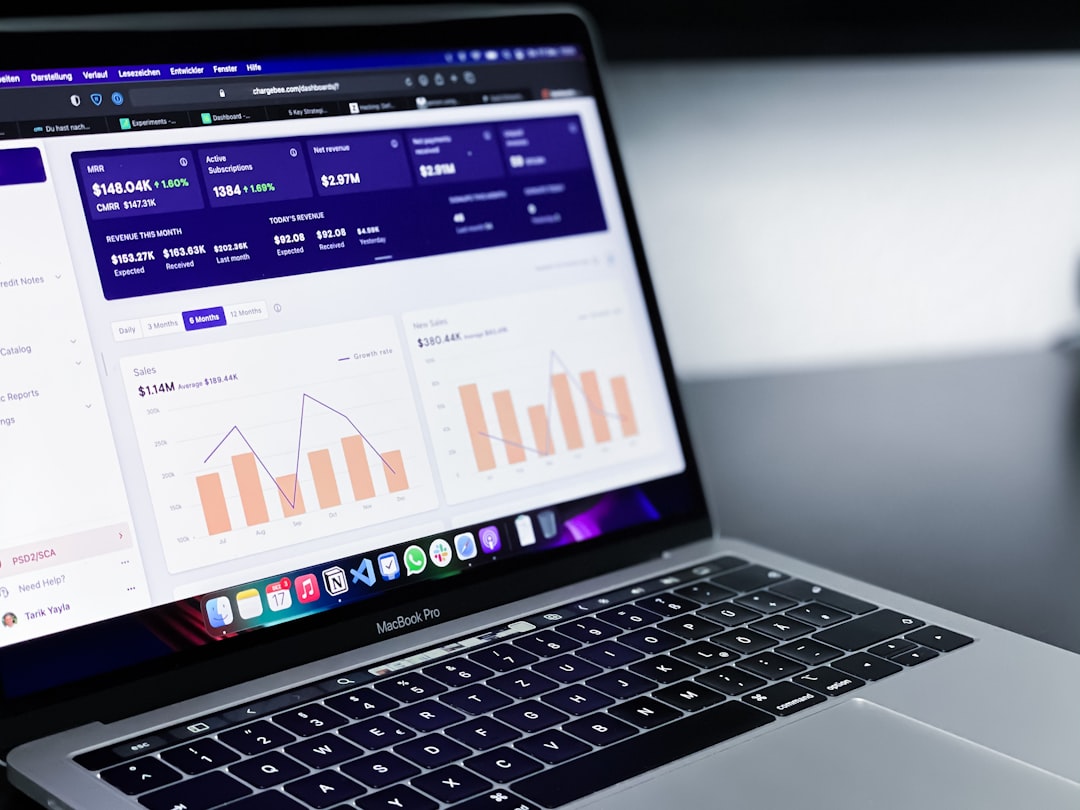
Strength consideration: It excels in modular content and microservices ecosystems. However, it can be more expensive at scale compared to open-source-based solutions like Strapi.
2. Adobe Experience Manager (AEM)
When organizations prioritize deep personalization, marketing integration, and advanced asset management, Adobe Experience Manager becomes a frequent alternative. AEM is part of Adobe Experience Cloud and integrates seamlessly with analytics, commerce, and campaign management tools.
Key capabilities:
- Advanced digital asset management (DAM)
- Robust personalization engine
- Multi-site, multi-language support
- Strong compliance and governance tools
- Enterprise workflow automation
AEM is often selected by enterprises running complex marketing operations across regions. Its deep personalization capabilities are attractive for businesses heavily invested in customer journey optimization.
Who it’s best for: Large enterprises with significant digital marketing budgets and internal development resources.
3. Sitecore
Sitecore is another enterprise CMS powerhouse known for its strong focus on digital experience management. It blends content management with personalization, commerce, and analytics.
Why enterprises consider Sitecore:
- Advanced personalization features
- Built-in A/B testing tools
- Integrated marketing automation
- Hybrid and headless deployment options
- Comprehensive analytics
Sitecore has evolved significantly, offering composable DXP (Digital Experience Platform) capabilities that align with modern API-driven architectures.
Important note: Sitecore implementations can be resource-intensive. However, for enterprises focused on delivering highly tailored customer experiences, the investment may justify the return.
4. Optimizely (formerly Episerver)
Optimizely has positioned itself as a digital experience platform designed to combine content management with experimentation and personalization. Its strong experimentation tools attract product-driven organizations that prioritize continuous optimization.
Core advantages:
- Tight integration between CMS and experimentation
- Commerce-ready capabilities
- Cloud-first strategy
- Strong API support for headless use cases
- Content and campaign orchestration tools
Teams that value data-driven iteration often favor Optimizely because of its experimentation-first DNA. Compared to Strapi Enterprise, Optimizely provides a more integrated marketing + CMS + testing ecosystem.
5. Contentstack
Contentstack represents another headless-first enterprise CMS solution, often viewed as a closer competitor to Strapi Enterprise in terms of architecture. It emphasizes composable digital experience frameworks and high reliability.
Notable features:
- Enterprise-grade API performance
- Strong DevOps support
- Advanced workflow and role management
- Content automation capabilities
- 99.99% uptime SLA
Contentstack is favored by companies looking for headless flexibility without maintaining open-source infrastructure internally.
6. Kentico Xperience
Kentico Xperience provides a hybrid CMS and digital experience solution aimed at mid-to-large enterprises. It offers a blend of content management, marketing automation, and eCommerce features.
Appeal factors:
- All-in-one DXP functionality
- Hybrid headless support
- Strong .NET ecosystem compatibility
- Built-in email marketing tools
Organizations deeply embedded in Microsoft environments often lean toward Kentico due to native compatibility and smoother integration paths.
Enterprise CMS Comparison Chart
| Platform | Architecture | Best For | Personalization | Scalability | Complexity |
|---|---|---|---|---|---|
| Contentful | Headless SaaS | Omnichannel content delivery | Moderate | High | Medium |
| Adobe Experience Manager | Hybrid DXP | Large marketing enterprises | Advanced | Very High | High |
| Sitecore | Composable DXP | Personalized digital experiences | Advanced | Very High | High |
| Optimizely | Headless + DXP | Experimentation-driven teams | Advanced | High | Medium-High |
| Contentstack | Headless SaaS | Enterprise composable stacks | Moderate | High | Medium |
| Kentico Xperience | Hybrid | .NET ecosystems | Strong | High | Medium |
Key Factors Enterprises Evaluate When Moving Beyond Strapi Enterprise

When teams consider alternatives, they usually weigh several strategic factors:
1. Compliance and Security
Enterprises operating in regulated industries require certifications such as SOC 2, HIPAA, or ISO 27001. Some platforms offer built-in compliance frameworks that reduce legal and operational risk.
2. Global Infrastructure
Companies serving international audiences need edge delivery, localization tools, and multi-region failover capabilities. SaaS enterprise CMS providers typically bundle this into their premium offerings.
3. Personalization Capabilities
Strapi focuses primarily on content structure and delivery. Teams requiring integrated behavioral analytics and targeting engines may gravitate toward DXP platforms like Sitecore or AEM.
4. Total Cost of Ownership
While open-source origins may initially appear cost-effective, enterprise maintenance, DevOps staffing, upgrades, and security patching can impact long-term costs.
5. Ecosystem and Integrations
The strength of a CMS ecosystem matters. Prebuilt connectors to CRM, ERP, analytics, marketing automation, and commerce platforms can significantly reduce implementation timelines.
When Strapi Enterprise Still Makes Sense
Despite these alternatives, Strapi Enterprise remains appealing in many scenarios. Development-led organizations that prioritize flexibility, self-hosting control, and custom API architecture often find Strapi to be an ideal foundation.
It works particularly well for:
- Engineering-heavy organizations
- API-first product companies
- Teams building fully custom front-end stacks
- Companies seeking open ecosystem flexibility
The decision is rarely about which CMS is “better” and more about which platform aligns with architectural vision, governance requirements, and team capabilities.
Final Thoughts
The enterprise CMS landscape has evolved far beyond traditional website publishing tools. Today’s leading platforms act as content hubs fueling multi-device experiences, personalization engines, and marketing automation systems.
Platforms such as Contentful, Adobe Experience Manager, Sitecore, Optimizely, Contentstack, and Kentico Xperience consistently surface as leading alternatives when organizations evaluate solutions beyond Strapi Enterprise. Some emphasize composable architecture and API-driven flexibility. Others prioritize personalization depth and marketing orchestration.
Ultimately, the best choice depends on:
- Your organization’s digital maturity
- Available internal engineering resources
- Marketing and personalization requirements
- Budget flexibility
- Long-term scalability expectations
Enterprise CMS decisions shape digital experiences for years. Taking the time to align technology with strategic business goals ensures the CMS becomes a growth enabler rather than a technical constraint.