In the rapidly evolving world of product design and manufacturing, speed, flexibility, and precision have become more crucial than ever. To stay ahead, design engineers, product developers, and startups are increasingly turning toward technologies that minimize risks and reduce time-to-market. Among the innovations shaping this transformation, RepMold is emerging as a game-changer in the realm of rapid prototyping and on-demand manufacturing. Leveraging digital workflows, adaptive tooling, and cutting-edge engineering, RepMold is enabling companies to test, refine, and accelerate the journey from concept to physical product with remarkable effectiveness.
TL;DR
RepMold is revolutionizing product design and prototyping by drastically reducing the time, cost, and complexity traditionally associated with early-stage manufacturing. With its adaptive tooling systems and digital-first approach, it bridges the gap between CAD design and functional prototype seamlessly. Ideal for both startups and established enterprises, RepMold allows multiple design iterations to be tested quickly without the long lead times of traditional tooling. Ultimately, it makes agile manufacturing a practical reality in industries ranging from consumer electronics to automotive.
What Is RepMold?
RepMold is an on-demand, rapid injection molding and low-volume production service that utilizes modular, reusable mold components paired with high-precision digital mold inserts. Unlike traditional injection molding processes that require costly, time-consuming tooling, RepMold emphasizes flexibility and efficiency. This platform has been adopted by a growing number of product development teams to streamline prototyping and pre-production runs.
At its core, RepMold is built to serve engineers and designers who require real parts in real materials—fast. It supports thermoplastics and elastomers, which allows for functional testing under production-like conditions earlier in the development cycle.
Traditional Prototyping vs. RepMold’s Agile Model
In traditional product development pipelines, tooling can take weeks or even months to finalize, often involving investments of tens of thousands of dollars. This delays iterations and encourages compromise, as modifying a machined metal mold adds further cost and time.
RepMold eliminates these limitations in three major ways:
- Rapid Turnaround: RepMold can deliver production-quality parts in days instead of weeks.
- Cost-Efficiency: Modular tooling dramatically reduces setup costs, making it viable for as few as 25–50 parts.
- Design Flexibility: Engineers can iterate quickly and affordably, identifying and fixing issues early.
This shift supports a more agile product lifecycle, where feedback from physical product testing immediately informs design updates without the time lag caused by traditional manufacturing steps.
The Digital Workflow Advantage
One of the most transformative aspects of RepMold is its reliance on a digitally integrated workflow. From CAD upload to automated design for manufacturability (DfM) checks and final part production, the process minimizes manual touchpoints.
Digital workflow benefits include:
- Real-time quoting and design feedback, allowing teams to budget, plan, and iterate more precisely.
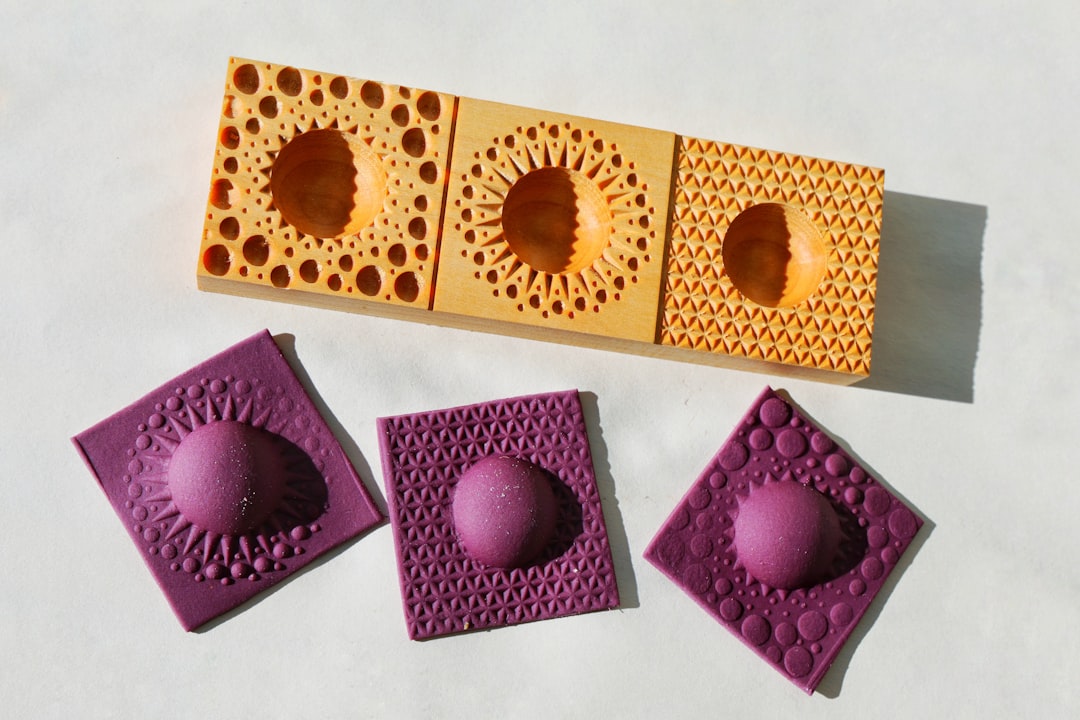
- Quick mold insert fabrication via advanced CNC or additive manufacturing technologies.
- Traceable and transparent project management through a centralized digital portal.
Speed is no longer achieved by sacrificing quality or oversight. Instead, it’s built into every step of RepMold’s digitally native process.
Use Cases Across Industry Sectors
RepMold has demonstrated impact across a wide variety of industries, including:
- Medical Devices: Prototyping functional casings and components for validation before regulatory approval.
- Consumer Electronics: Testing button tactile feedback, fit of precision enclosures, and aesthetic detailing before finalizing design.
- Automotive: Functional testing of interior trim, connectors, and airflow components in realistic conditions.
- IoT and Wearables: Iterative testing of device housings for ergonomics, durability, and sensor integration.
These applications highlight RepMold’s ability to deliver design-intent parts, allowing engineers to move confidently toward final production while minimizing risk.
Cost Savings Without Compromising Performance
Perhaps one of the most compelling reasons to adopt RepMold is the potential for significant cost savings. For startups or R&D teams working with limited budgets, developing a functionally accurate prototype without investing in aluminum or steel tooling can be the difference between launching a product—or halting development.
With the ability to run anywhere between 25 to 10,000 parts using modular systems, companies no longer must commit to expensive mass-production molds ahead of full validation. This also opens new doors for market testing and user feedback, helping companies better align their offerings with demand before scaling up.
Scalability and Beyond: From Prototype to Production
RepMold isn’t limited to low-volume runs. Its systems can scale gradually toward medium-volume production, offering a seamless bridge to traditional injection molding, should a product succeed in market testing.
More importantly, because early-stage parts are made using real materials and reliable mold configurations, the gap between prototype and production is reduced dramatically. This mitigates one of the most common production pitfalls: design drift during handoff between prototyping and manufacturing.
Environmental and Operational Sustainability
A lesser-discussed advantage of RepMold’s system is its impact on sustainability. Traditional molds often result in significant waste when products fail or are heavily revised. In contrast, RepMold uses reusable bases and inserts, along with digital part libraries, to minimize waste generation.
Additionally, quick iteration cycles mean less overproduction and fewer discarded parts, supporting lean and environmentally conscious development practices. This aligns well with the growing emphasis on ESG (Environmental, Social, Governance) principles across the manufacturing industry.
Limitations and Considerations
While RepMold offers significant advantages, it’s not without limitations. It is best suited for parts that fall within certain geometrical and material boundaries. Complex mold features such as undercuts or extremely large parts may still require traditional tooling or more advanced insert design strategies.
Furthermore, while turnaround is fast, achieving cosmetic perfection similar to Class A surfaces might necessitate post-processing or polishing steps. These trade-offs are, in most cases, acceptable given the speed and cost savings provided.
Future Directions and Industry Outlook
The future for RepMold and related adaptive manufacturing technologies looks promising. With advances in additive manufacturing, machine learning-based DfM analysis, and automated material handling, even more parts of the process could be optimized in the years to come.
As RepMold’s ecosystem continues to mature, it’s likely to integrate more tightly with upstream design tools and downstream mass production facilities. This would further reinforce an end-to-end digital thread for product development.
Conclusion
RepMold is not just a prototyping tool; it’s a strategic enabler of faster, more data-driven product innovation. By merging digital workflows with physical production agility, it empowers teams to conceptualize, test, and iterate at unprecedented speed and lower cost. Whether developing the next wearable tech device or refining mission-critical medical parts, RepMold is helping engineers spend more time focusing on innovation rather than manufacturing hurdles.
The result? A smarter, more flexible, and more sustainable way to bring great products to life.