As organizations increasingly embrace remote and hybrid engagement, virtual event platforms have evolved from basic webinar tools into sophisticated digital ecosystems. Among the leaders in this space are platforms like vFairs, which offer immersive, customizable, and highly interactive online environments designed to replicate — and sometimes even enhance — the experience of in‑person events. From global conferences to career fairs and trade shows, these platforms are redefining how audiences connect, learn, and network in the digital age.
TL;DR: Virtual event platforms like vFairs offer immersive, customizable environments that replicate in-person conferences, trade shows, and career fairs. They combine live streaming, virtual booths, networking tools, and analytics to create engaging online experiences. With 3D environments, AI-powered matchmaking, and detailed reporting, these platforms help organizations expand reach while maintaining meaningful engagement. As hybrid and remote events grow, immersive virtual platforms are becoming essential business tools.
The demand for immersive digital experiences has surged in recent years, driven by globalization, remote work trends, and cost efficiency. But what exactly makes platforms like vFairs stand out — and why are organizations choosing them over traditional video conferencing tools?
What Are Immersive Virtual Event Platforms?
Immersive virtual event platforms are comprehensive digital venues that simulate real-world event environments. Instead of simply watching a livestream, attendees can navigate virtual lobbies, visit exhibitor booths, attend keynote halls, download resources, and interact with representatives in real time.
These platforms often include:
- 3D virtual environments with customizable branding
- Live and on-demand streaming capabilities
- Interactive exhibitor booths
- Chat, video, and AI matchmaking tools
- Gamification elements
- Advanced analytics and reporting
Unlike basic webinar software, immersive platforms recreate the serendipity and exploration of physical events, allowing attendees to choose their own journey.
Key Features That Drive Engagement
1. Interactive Virtual Environments
Platforms like vFairs offer visually rich 3D venues resembling conference centers, auditoriums, or expo halls. These environments are fully branded to reflect the host organization’s identity. Attendees can “walk” through digital spaces, click booths, join sessions, and access downloadable materials.
This sense of exploration enhances engagement by mimicking real-world behavior — browsing, networking, and spontaneous discovery.
2. Customizable Exhibitor Booths
For trade shows and expos, exhibitor booths are the backbone of value creation. Virtual booths may include:
- Embedded videos and product demos
- Live chat and video meetings
- Downloadable brochures and whitepapers
- Lead capture forms
- Appointment scheduling tools
Exhibitors gain measurable ROI through integrated analytics that track booth visits, clicks, and attendee interactions.
3. AI-Powered Networking
Networking is often the primary motivation for attending events. Immersive platforms incorporate AI-driven matchmaking algorithms that connect attendees based on interests, profiles, and behavior.
Features often include:
- One-on-one video meetings
- Group networking rooms
- Smart recommendations
- Direct messaging
This transforms networking from chance encounters into structured yet meaningful digital interactions.
4. Hybrid Event Capabilities
Hybrid events combine physical and virtual audiences, allowing global participation. Platforms like vFairs seamlessly integrate livestreamed keynotes from physical venues into virtual environments.
This means:
- On-site attendees interact via mobile apps
- Remote participants join virtually with equal access
- Content is archived for on-demand viewing
Hybrid functionality ensures inclusivity and scalability.
5. Analytics and Reporting
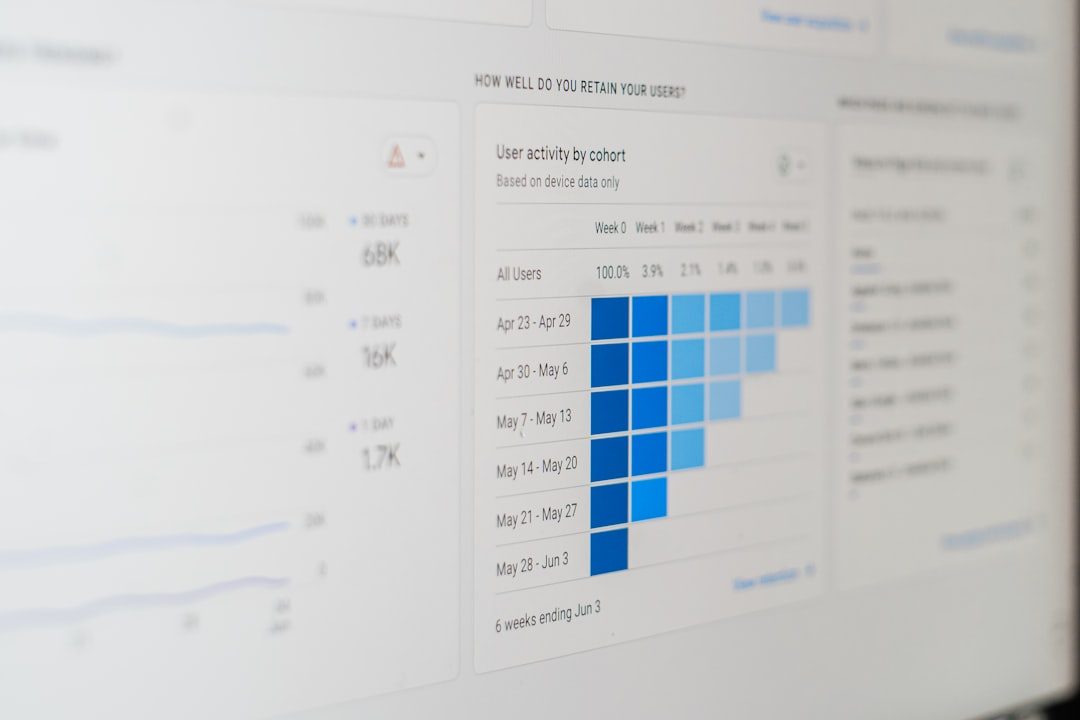
Data-driven insights are one of the biggest advantages of virtual platforms. Organizers can measure:
- Attendance and session participation
- Engagement rates
- Booth traffic
- Lead conversions
- Download activity
These analytics allow sponsors and stakeholders to calculate precise return on investment — something that is far more challenging at physical events.
Comparison of Leading Virtual Event Platforms
| Platform | Best For | 3D Environments | AI Networking | Hybrid Support | Analytics Depth |
|---|---|---|---|---|---|
| vFairs | Career fairs, trade shows, large conferences | Yes | Yes | Strong | Advanced |
| Hopin | Global summits, webinars | Limited | Moderate | Strong | Advanced |
| Airmeet | Community events, workshops | No true 3D | Strong | Yes | Moderate |
| Remo | Small networking events | Floor plan style | Basic | Limited | Basic |
While multiple tools serve the market, vFairs is particularly known for its immersive 3D trade show environments and robust career fair functionality.
Use Cases Across Industries
Image not found in postmeta1. Career Fairs and Recruitment Events
Universities and corporations host large-scale virtual job fairs to connect employers with candidates across the globe. Recruiters can review resumes, conduct video interviews, and schedule follow-up meetings — all within the virtual platform.
2. Trade Shows and Product Launches
For global brands, launching a product virtually eliminates travel costs and increases international reach. Attendees can access live demos, chat with representatives, and download specifications without stepping into a physical convention center.
3. Corporate Conferences
Internal summits, sales kickoffs, and leadership conferences leverage immersive tools to unify distributed teams. Gamification features — such as leaderboards and achievement badges — boost participation.
4. Educational and Academic Events
Universities utilize immersive platforms for open days, alumni networking events, and symposiums. The digital venue often includes auditoriums, resource libraries, and breakout classrooms.
Benefits Beyond Accessibility
While accessibility is a primary driver, immersive virtual event platforms offer additional strategic advantages:
- Cost efficiency: Reduced spending on travel, venue rental, logistics, and staffing.
- Scalability: Host thousands of attendees without physical constraints.
- Sustainability: Lower carbon footprint compared to in-person events.
- Global reach: Enable participation from multiple time zones.
- Content longevity: On-demand libraries extend event lifespan.
Organizations recognize that virtual experiences are not merely substitutes — they are strategic expansions.
Designing an Immersive Experience That Works
Technology alone does not guarantee success. Event planners must carefully design experiences to maximize engagement.
Best practices include:
- Clear navigation: Ensure intuitive user journeys.
- Interactive agendas: Combine live sessions with Q&A and polls.
- Gamification strategy: Offer incentives for participation.
- Personalization: Tailor recommendations using AI tools.
- Speaker training: Optimize virtual presentation techniques.
The most successful virtual events blend compelling content with interactive technology.
Image not found in postmetaThe Rise of Hybrid as the New Standard
Even as physical events return, hybrid formats are becoming dominant. Organizations no longer want to limit their reach to geography. By combining in-person energy with digital accessibility, they achieve:
- Higher attendance numbers
- Broader sponsorship opportunities
- Expanded audience diversity
- Greater resilience against disruptions
Virtual components ensure continuity in an unpredictable world, whether facing travel restrictions or unexpected disruptions.
Challenges and Considerations
Despite advantages, immersive platforms come with challenges:
- Learning curve: Both organizers and attendees may require onboarding.
- Technical reliability: High-quality streaming demands stable infrastructure.
- Engagement fatigue: Virtual attendees may multitask.
- Cost of customization: Fully branded 3D environments require investment.
However, continuous innovation — including mobile optimization and AI facilitation — continues to address these barriers.
The Future of Immersive Online Events
Looking ahead, immersive event platforms will likely incorporate emerging technologies such as:
- Augmented and virtual reality (AR/VR)
- Metaverse-style environments
- Real-time language translation
- Advanced behavioral analytics
As these tools mature, online events may rival — and in some respects surpass — the sensory and social dynamics of physical gatherings.
Virtual event platforms like vFairs demonstrate that digital experiences need not be passive or disconnected. Instead, they can be interactive, measurable, and globally inclusive. By integrating immersive design with intelligent networking and robust analytics, these platforms empower organizations to deliver meaningful experiences at scale.
In a world increasingly defined by hybrid work and digital communication, immersive virtual event platforms are not simply a contingency plan — they are a cornerstone of modern engagement strategy.