Pick CSF if you run cPanel. Pick UFW if you want a clean, simple firewall on a plain Linux server. That is the quick answer. CSF feels like a security toolbox. UFW feels like a light switch.
TLDR: For a cPanel server, ConfigServer Security & Firewall is usually the better choice because it plugs into WHM and watches login failures, blocked ports, and suspicious traffic. For example, a small hosting server with 50 websites may see 200 failed login attempts per day, and CSF can block repeat offenders automatically. UFW is great for a single app server, such as one Ubuntu box running Nginx on ports 80 and 443. Use one firewall manager, not both, or you will create a tiny networking circus.
What Are We Comparing?
CSF stands for ConfigServer Security & Firewall. It is a firewall and security suite often used with cPanel and WHM. It works with Linux firewall rules, but adds a friendly interface, login tracking, IP blocking, port controls, and server checks.
UFW stands for Uncomplicated Firewall. That name is fair. It is simple. It is common on Ubuntu servers. You type a few commands, open the ports you need, close the rest, and get back to your coffee.
Both can protect a server. They just fit different jobs.

CSF in cPanel: The Big Security Dashboard
CSF is popular with hosting providers because it works nicely inside WHM. You do not need to live in the terminal all day. You can search for an IP, block it, allow it, restart the firewall, and review security alerts from a web panel.
That matters when you manage many accounts. One client forgot a WordPress password. Another has an old mail script. Someone else installed a plugin from 2017. Great. Now your server is a magnet for bots.
CSF helps by doing more than opening and closing ports. It includes LFD, or Login Failure Daemon. LFD watches failed logins. If an IP keeps hammering SSH, FTP, mail, or cPanel, it can block that IP.
That is the fun part. The bot knocks. CSF says, “Nope.” Door closed.
CSF Strengths
- Great cPanel and WHM support. It feels built for hosting work.
- Automatic brute force protection. LFD can block repeat attackers.
- Easy IP allow and block lists. Handy for clients and admins.
- Server security checks. It warns about risky settings.
- Email alerts. Sometimes too many, but still useful.
- Country blocking options. Useful, though it can be blunt.
The catch is that CSF has many settings. A lot. It can feel like opening a spaceship control panel when all you wanted was to block one noisy IP.
CSF Weak Spots
- More complex than UFW. New admins may feel lost.
- Can send lots of alerts. Expect a chatty inbox at first.
- Bad rules can lock people out. Always allow your own IP before testing.
- Not ideal for every minimal server. It may be more than you need.
UFW: The Simple Server Firewall
UFW is the “just make it work” option. It is loved on Ubuntu because the commands are easy to read.
Want to allow SSH?
ufw allow 22
Want to allow web traffic?
ufw allow 80ufw allow 443
Want to turn it on?
ufw enable
That is it. No giant panel. No huge config file. No dramatic warning parade, unless you count the warning before enabling it. Which you should read. Seriously.
UFW is great for a server with a small role. Maybe it runs one app. Maybe it hosts one website. Maybe it is a private API server. You know the ports. You set the rules. Done.
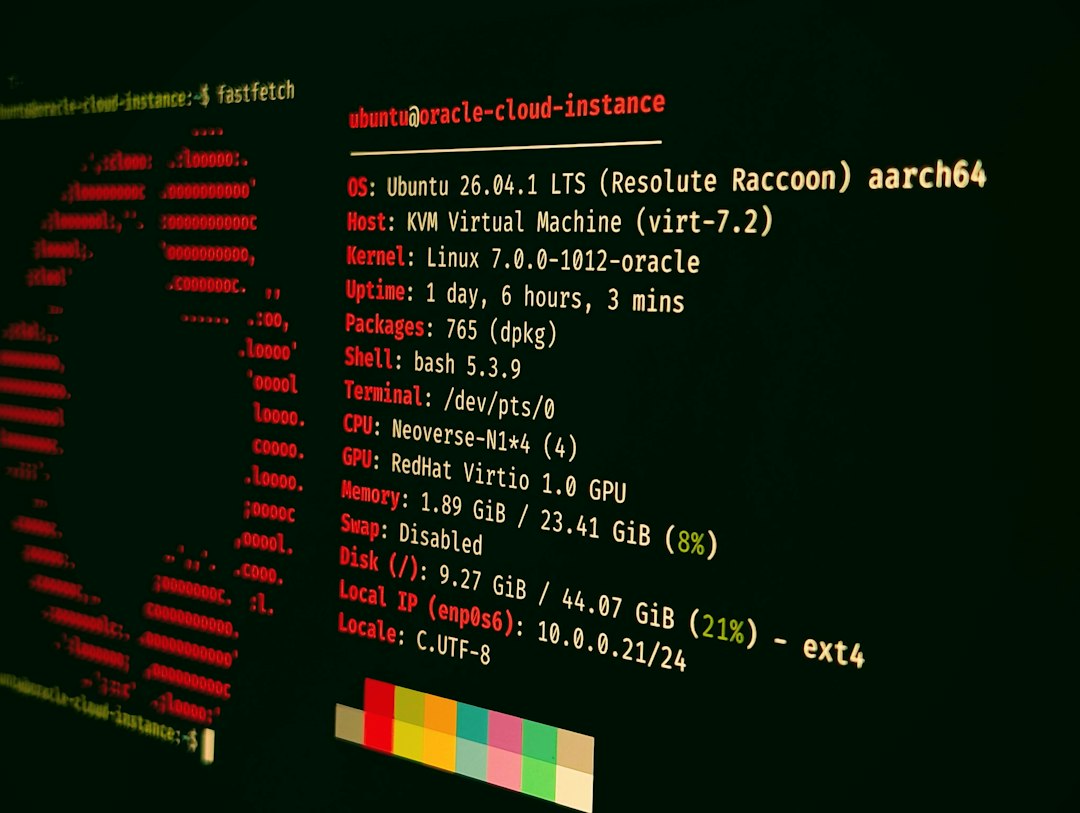
UFW Strengths
- Very easy to use. The commands make sense.
- Fast setup. A basic web server can be protected in under a minute.
- Good for Ubuntu. It is common and well documented.
- Clean rule style. Simple ports. Simple actions.
- Low mental load. Your brain gets to relax a little.
UFW Weak Spots
- No cPanel integration. It does not care about WHM.
- No built in LFD style login watcher. You need tools like Fail2ban for that.
- Less useful for shared hosting. Many services mean more manual work.
- Can conflict with other firewall tools. Stack enough tools and chaos arrives.
Honestly, it feels like UFW is perfect until the server grows. Then you start adding Fail2ban, custom logs, scripts, and tiny fixes. Soon your “simple” setup has a junk drawer.
Which One Is Safer?
Neither tool is magic. A firewall is only as good as its rules.
CSF can be safer for cPanel hosting because it understands common hosting services. It watches for bad behavior. It gives you alerts. It can block repeated attacks without you babysitting logs.
UFW can be safer for simple servers because it is harder to mess up. Fewer moving parts can mean fewer mistakes. If you only need SSH, HTTP, and HTTPS, UFW is neat and strong.
So the safer option depends on the server.
- cPanel shared hosting: CSF wins.
- Single Ubuntu app server: UFW wins.
- Beginner with WHM: CSF, but follow a guide.
- Beginner with one VPS: UFW is easier.
- Busy hosting business: CSF saves time.
Do Not Run Both Without a Good Reason
This part matters. Do not let CSF and UFW fight over your firewall rules.
Running both can cause weird behavior. A port may look open in one tool and blocked in another. You may lose SSH. You may spend 27 minutes muttering at a terminal because the rule you changed was not the rule actually winning.
If you install CSF on a cPanel server, disable UFW. If you use UFW, do not install CSF unless you plan to switch fully.
Real World Use Cases
Case 1: The cPanel Hosting Server
You host 80 websites. Clients use email, FTP, WordPress, cPanel, and webmail. Bots try passwords all day. Some users forget updates. Some use weak passwords. It drives me crazy that one weak mailbox can become a server wide headache.
Best pick: CSF.
Why? It gives you WHM controls, login failure blocking, alerts, and quick IP tools. It is built for this mess.
Case 2: The Small App VPS
You run one Node.js app behind Nginx. You only need SSH, port 80, and port 443. You deploy from Git. No cPanel. No shared users.
Best pick: UFW.
Why? It is simple. It is quick. You can see every rule without hunting through a large panel.
Case 3: The Agency Server
You manage 20 client sites on one cPanel box. You need a way to block bad IPs fast. You also need to allow a client office IP without logging into SSH every time.
Best pick: CSF.
Why? The WHM interface saves clicks. The logs help. The allow and deny lists are easy to use.

Performance and Server Load
UFW is very light. It adds almost no drama. For small servers, you will not feel it.
CSF is also fine on most servers, but it does more work. LFD checks logs. Alerts run. Extra features need attention. On a normal cPanel VPS with 2 CPU cores and 4 GB RAM, CSF should be okay. Just do not enable every feature like a kid pressing all elevator buttons.
Final Pick
Use CSF for cPanel and WHM servers. It fits the job. It protects common hosting services. It gives admins a clear control panel.
Use UFW for simple Linux servers. It is clean, fast, and easy to understand. It works best when the server has one clear purpose.
The best firewall is the one you can manage without panic. If you understand the rules, you are already safer than the admin who installed five tools and hoped for vibes.