Choosing property management software is less about finding the “most powerful” platform and more about finding the one that fits how you actually manage rentals. Qualo is one of the tools property managers and landlords may come across when searching for a cleaner way to handle tenants, maintenance, communication, and portfolio operations. This review looks at Qualo’s likely strengths, where buyers should be cautious, how pricing appears to work, and which alternatives are worth comparing before making a decision.
TLDR: Qualo appears to be a property management solution aimed at simplifying daily rental operations, especially tasks like tenant communication, maintenance tracking, and portfolio oversight. It may be a good fit for small to mid-sized teams that want a centralized system rather than juggling spreadsheets, email, and manual reminders. For example, a manager handling 80 units could save several hours per week if rent follow-ups, work orders, and tenant messages are handled in one dashboard. However, because pricing and feature depth may not be as transparent as larger competitors, it is smart to compare Qualo with platforms like Buildium, AppFolio, DoorLoop, TenantCloud, and Rentec Direct.
What Is Qualo?
Qualo is positioned as a property management platform designed to help rental operators manage everyday workflows more efficiently. While the exact feature set may vary depending on the market, package, or implementation, software in this category typically focuses on reducing manual admin work and giving property teams a single place to manage properties, tenants, service requests, and documents.
For landlords who still rely on spreadsheets, text messages, and paper records, a platform like Qualo can feel like a major upgrade. Instead of searching through email threads to find a repair request or calculating outstanding rent manually, managers can use a structured system that keeps information organized and easier to act on.

Key Qualo Features
Although prospective users should confirm the latest feature list directly with Qualo, these are the main areas buyers should evaluate when reviewing the software.
1. Property and Unit Management
A strong property management platform should let users create profiles for buildings, units, tenants, leases, and owners. This is the foundation of the system. If Qualo offers a clear portfolio view, it can help managers quickly see which units are occupied, which leases are expiring, and which properties require attention.
Useful capabilities to look for include:
- Property and unit records
- Lease dates and renewal reminders
- Occupancy tracking
- Tenant and owner contact details
- Document storage for leases, notices, and agreements
2. Tenant Communication
Good communication is one of the biggest differences between a smoothly run rental business and a stressful one. If Qualo includes tenant messaging, announcements, or a tenant portal, it can reduce scattered communication across phone calls, emails, and texts.
This is especially valuable for managers with distributed teams or portfolios across several locations. When conversations are tied to the tenant or property record, everyone on the team can understand the history of an issue without asking around.
3. Maintenance Requests
Maintenance management is often where property software delivers the fastest return on investment. A tenant submits a request, the manager reviews it, assigns the task, tracks progress, and closes the job when completed. If Qualo supports this workflow, it can prevent requests from slipping through the cracks.
For example, instead of a tenant texting “the sink is leaking” to one staff member, the request can be logged with photos, urgency level, vendor notes, and completion status.
4. Rent and Payment Tracking
Not every platform includes full online rent collection, so this is an important point to verify. At minimum, landlords should expect tools for tracking rent due, paid, late, or overdue. More advanced platforms allow tenants to pay online through bank transfer, card, or automated recurring payments.
If Qualo includes payment automation, it could help reduce late payments and manual reconciliation. According to common property management benchmarks, even a modest improvement in on-time payments can make a noticeable difference. For a portfolio earning $120,000 per month in rent, improving collections by just 3% in a given cycle affects $3,600 in cash flow timing.

5. Reporting and Insights
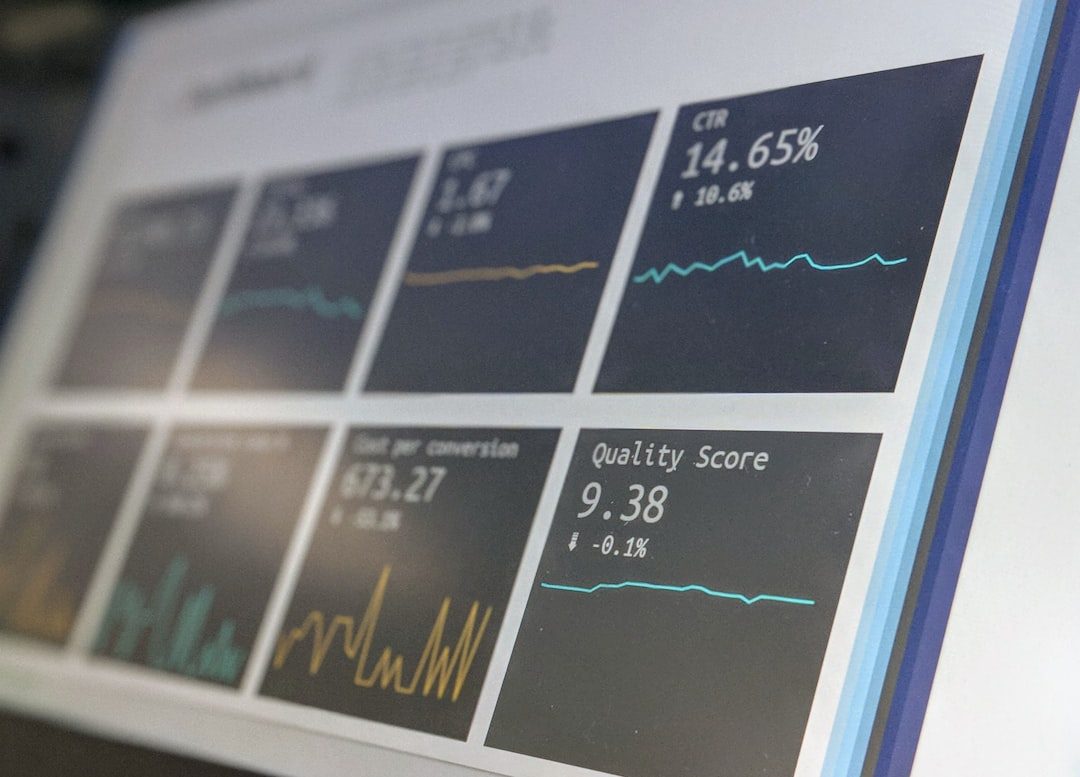
Owners and managers need visibility into income, expenses, vacancies, maintenance costs, and lease activity. If Qualo provides reporting dashboards, it may help users make faster decisions about pricing, renewals, and repairs.
Before subscribing, ask whether reports can be exported, filtered by property, and shared with owners or stakeholders. Some platforms offer beautiful dashboards but limited accounting depth, while others prioritize financial reporting over ease of use.
Qualo Pricing
Qualo pricing does not appear to be as widely standardized or publicly visible as some larger property management software providers. That means prospective customers may need to request a demo or contact the company for a quote. This is not unusual in property management software, especially when pricing depends on portfolio size, feature access, onboarding needs, or number of users.
When evaluating the cost, do not focus only on the monthly subscription. Ask about the full cost of ownership, including:
- Monthly or annual subscription fees
- Per-unit pricing, if applicable
- Setup or onboarding fees
- Payment processing costs
- Maintenance or vendor management add-ons
- Accounting integrations
- Data migration support
- Training and customer support levels
A platform that costs slightly more but saves 10 hours of admin work per month may be the better value. On the other hand, if you manage only a few units, an enterprise-style system may be more software than you need.
Qualo Pros and Cons
Pros
- Centralized operations: A single place for tenant, property, and maintenance information can reduce confusion.
- Potential time savings: Automated reminders and organized workflows can cut repetitive admin tasks.
- Better tenant experience: Portals and digital communication can make renters feel more supported.
- Scalability: If built well, Qualo may support growing portfolios better than spreadsheets.
Cons
- Pricing transparency may be limited: Buyers may need to request a quote before comparing costs.
- Feature depth should be verified: Confirm whether it includes accounting, online payments, reporting, and integrations.
- Learning curve: Any new system requires staff training and process changes.
- Alternative platforms may offer broader ecosystems: Larger competitors often have more integrations and public reviews.
Best Qualo Alternatives
Before committing, compare Qualo with a few well-known property management platforms. Each alternative has a slightly different ideal user.
1. Buildium
Best for: Small to mid-sized property management companies that need accounting, leasing, maintenance, and tenant portals in one system.
Buildium is one of the most established names in the space. It offers strong accounting tools, online payments, owner portals, and maintenance tracking. It is especially attractive for managers who need a balanced platform rather than a single-purpose app.
2. AppFolio
Best for: Growing property management companies with larger portfolios and more advanced operational needs.
AppFolio is known for its robust feature set, polished interface, and automation tools. It can be powerful, but it may be more expensive or complex than necessary for very small landlords.
3. DoorLoop
Best for: Landlords and managers who want modern software with a relatively easy learning curve.
DoorLoop offers rent collection, accounting, maintenance, leasing, and owner communication features. It is often considered user-friendly and suitable for residential, commercial, and mixed portfolios.
4. TenantCloud
Best for: Independent landlords and smaller portfolios looking for affordable digital tools.
TenantCloud is popular among smaller landlords because it provides tenant screening, listings, payments, maintenance, and basic management features. It may not be as deep as enterprise tools, but it can be cost-effective.
5. Rentec Direct
Best for: Property managers who want accounting strength and practical rental management features.
Rentec Direct combines tenant screening, rent payments, financial reporting, and management tools. It is a strong option for users who care about reporting and bookkeeping but still want an accessible interface.
6. Hemlane
Best for: Landlords who want help coordinating leasing and maintenance without hiring a full property manager.
Hemlane is useful for owners who self-manage but need support with tenant placement, repair coordination, and communication. It is a good alternative if your pain point is not just software, but operational help.
Who Should Consider Qualo?
Qualo may be worth considering if you want a cleaner, centralized way to manage rentals and are currently dealing with fragmented systems. It could be especially useful for landlords or small teams that need maintenance tracking, tenant communication, and portfolio visibility without building a complicated tech stack.
However, buyers should approach the demo with a checklist. Ask to see real workflows: adding a tenant, recording rent, assigning a maintenance request, generating a report, and exporting data. The best software is not the one with the longest feature list; it is the one your team will actually use every day.
Final Verdict
Qualo looks like a potentially useful property management solution, particularly for teams seeking organization and workflow efficiency. Its value will depend on its actual feature depth, pricing model, support quality, and how well it fits your portfolio size. Because the property management software market is competitive, it is wise to compare Qualo against established alternatives such as Buildium, AppFolio, DoorLoop, TenantCloud, Rentec Direct, and Hemlane.
If you manage only a handful of units, prioritize affordability and simplicity. If you manage dozens or hundreds of units, focus on automation, accounting, reporting, and scalability. In either case, Qualo deserves a closer look only if it can clearly show how it saves time, reduces errors, and improves the experience for both managers and tenants.